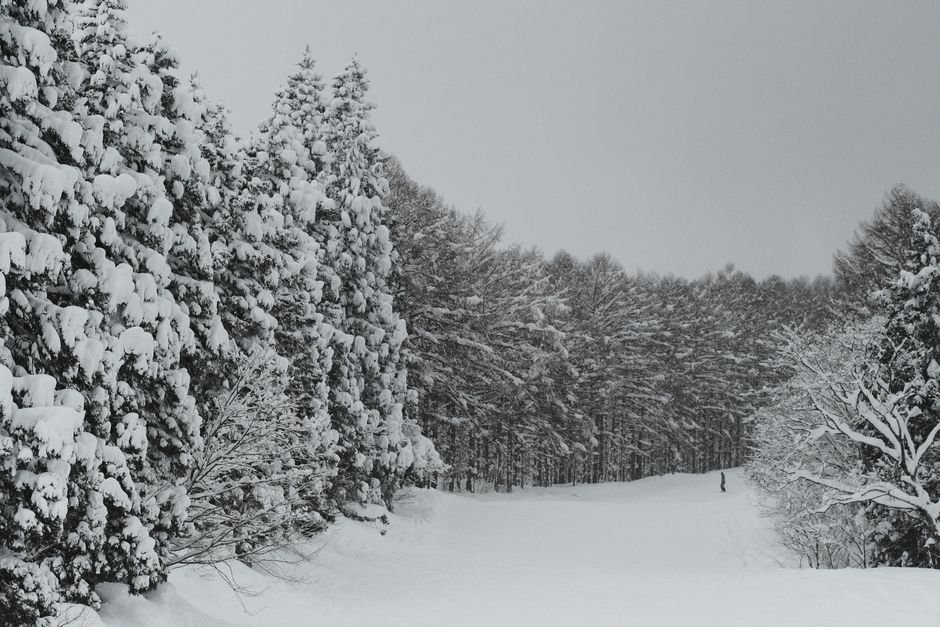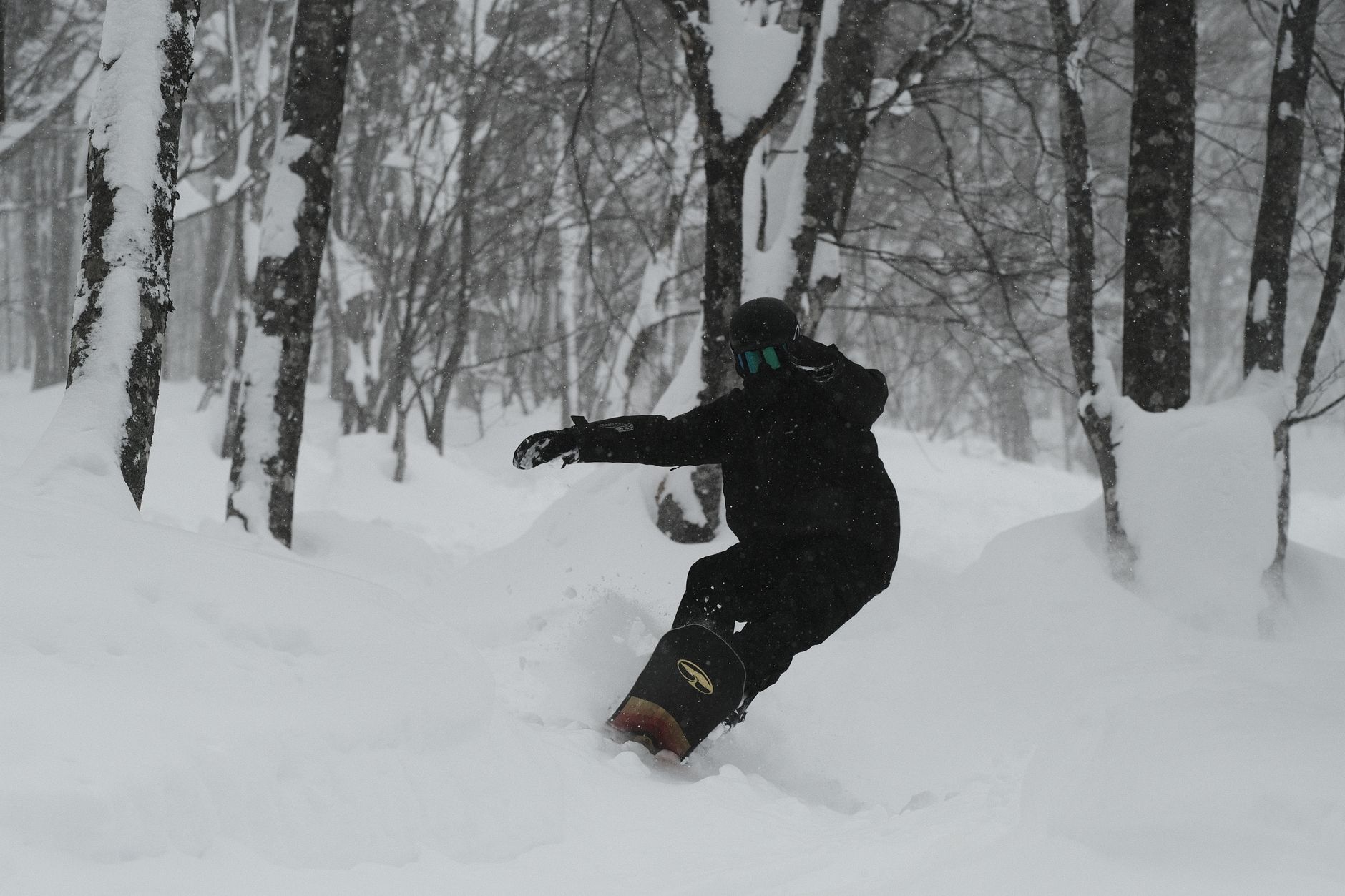
Japan skiing is genuinely unlike anything else on the planet. The snow is lighter, the mountains are quieter (well, most of them), and the whole experience feels like someone turned the dial on skiing up to eleven. But if you're planning your first trip and trying to piece it all together from random forum posts, you'll end up confused, overspending, and possibly at the wrong resort.
This guide cuts through it. Bookmark it. Come back to it when you're deep in the planning rabbit hole at midnight.
When to Actually Go (Not Just When Flights Are Cheap)
The Japan ski season runs roughly December through March, with April possible at a handful of spots. But not all months are equal.
- December: Early season. Snow is building. Some resorts aren't fully open yet. Can be brilliant, can be patchy.
- January: Peak powder. Cold, consistent, deep. This is the month everyone wants. Book flights and accommodation months in advance.
- February: Still excellent. Often less crowded than January. Some of the best powder days happen in February.
- March: Warmer, wetter snow lower down. Still very skiable, especially at altitude. Cheaper to travel.
- April: Spring skiing. Soft snow, sunny days, almost empty runs. Gassan in Yamagata runs into June. Tateyama in Toyama opens in April with jaw-dropping scenery.
Hot take: February is the sweet spot for first timers. You get reliable snow, fewer crowds than January, and better flight prices. Don't let anyone talk you into going in late March on your first trip.
Hokkaido or Honshu: The Big Decision
This is the question every first timer asks. Here's the honest answer.
Hokkaido (Niseko, Furano, Rusutsu, Kiroro) gets the driest, lightest snow on earth. Japan Sea effect snow hits the island hard and often. Niseko in particular is famous for a reason. The powder is real. But Niseko is also expensive, busy with Australians and Chinese tourists, and the village has lost a bit of its soul over the past decade. Furano is quieter and genuinely beautiful. Rusutsu has the best tree skiing in Japan, full stop.
Honshu (Hakuba, Nozawa Onsen, Myoko Kogen, Shiga Kogen) is more accessible from Tokyo, often cheaper to stay in, and has a more traditional Japanese ski town feel. Hakuba hosted the 1998 Olympics and has serious vertical. Nozawa Onsen is a 300-year-old hot spring village with skiing attached and it is absolutely charming. Myoko Kogen in Niigata is the underrated gem that more Aussies are starting to discover.
For a first trip, I'd say: fly into Sapporo (New Chitose) and base in Furano or do a split between Niseko and Rusutsu. For a second trip, Hakuba or Nozawa on Honshu is a completely different and equally brilliant experience.
How to Get There From Australia
Most Aussies fly into either New Chitose Airport (Sapporo, for Hokkaido) or Tokyo (Narita or Haneda, for Honshu). Direct flights to Sapporo exist from some Australian cities seasonally, check Jetstar and Qantas. Otherwise Tokyo is the main hub and you connect from there.
From Tokyo to Hakuba, the easiest option is the Shinkansen to Nagano then a bus. Total journey around 3.5 hours. From Tokyo to Nozawa Onsen, train to Iiyama then a short shuttle. From New Chitose to Niseko, there are direct resort buses that are easy to book online.
You don't need a car for most resorts if you plan your connections. The transport infrastructure in Japan is genuinely excellent.
What to Budget (Real Numbers, Not Wishful Thinking)
Japan skiing can be done on a range of budgets but let's be honest about what things cost.
- Flights from Melbourne or Sydney: AUD 900 to 1,800 return depending on timing and airline
- Accommodation per night: AUD 80 to 120 for a pension or guesthouse, AUD 150 to 300 for a decent hotel, AUD 400 plus for Niseko luxury
- Lift passes: Around AUD 80 to 120 per day. Multi-resort passes like the Hakuba Valley Pass or Niseko United All Mountain Pass work out cheaper if you're staying a week
- Ski rental: AUD 40 to 70 per day for a decent powder setup. Shops in every resort town, gear is generally good quality
- Food and drinks: Surprisingly affordable if you eat where locals eat. A bowl of ramen is AUD 10 to 15. Convenience store breakfasts are a legitimate strategy
A realistic week in Japan skiing, flights included, runs AUD 3,500 to 5,500 per person depending on how much you like nice hotels and aprés drinks.
What the Snow Is Actually Like (And Why It Matters)
Japanese powder has a reputation and it deserves it. The Japan Sea picks up moisture over warm water and dumps it as incredibly dry, low-density snow on the mountains. Hokkaido especially gets snow with a water content so low that it's basically skiing through smoke.
What this means practically is that powder skiing in Japan is more forgiving than almost anywhere else. You can make mistakes in Japanese powder and get away with it. You float. You don't sink and get stuck the way you might in heavier European or North American snow. For intermediate skiers who've never skied proper powder before, Japan is the perfect introduction.
The flip side is that when it rains or warms up, the snow goes heavy and wet fast. This is more common on Honshu than Hokkaido. Pick your dates carefully and watch the forecasts on sites like Snowjapan and Meteoblue.
Cultural Stuff That Actually Matters on the Hill
Japan has its own ski culture and a few things are worth knowing before you arrive.
Onsen etiquette is important. You go in fully naked. Tattoos are still banned at many onsens (this is changing slowly but check before you go if you're inked). Wash and rinse before you get in the bath. Don't splash around. It's genuinely one of the best parts of the trip so get it right.
On the mountain, Japanese skiers are generally polite and orderly. Queue jumping is not a thing. Respect that. Off-piste rules vary by resort. Niseko has marked backcountry gates and you can go through them legally. Many other resorts technically prohibit off-piste. Use common sense and hire a local guide if you're heading into the trees seriously.
Ski school in Japan is excellent and often underrated by visiting skiers. If you're an intermediate who wants to improve or a first timer who wants to get into powder, a half day lesson with a local instructor is worth every yen.
My Take as an Aussie Who Skis Japan Every Year
The single biggest mistake first timers make is spending their whole trip at Niseko because it's the name they know. Niseko is great. The powder is real. But it's also crowded, pricey, and has lost some of what made it special. On my first trip I barely left Grand Hirafu. Now I split my time between Furano for the scenery and quiet, Rusutsu for the trees, and I'm starting to spend more time in Hakuba and Nozawa on Honshu.
Go to Niseko. Experience it. But don't let it be your only Japan skiing experience. The country has over 500 ski areas and some of the best days I've ever had on skis were at resorts most Australians have never heard of.
Japan rewards the skiers who go deeper. Do that.
Frequently Asked Questions
Do I need to speak Japanese to ski in Japan?
No. Most major resorts have English signage and English-speaking staff in ski hire shops and ski schools. In smaller towns and local restaurants you'll need Google Translate occasionally but it's never been a problem in my experience.
Is Japanese powder really that different from other resorts?
Yes, genuinely. The low-density snow in Hokkaido especially is unlike anything in Europe or North America. If you've only ever skied groomed runs or European powder, Japanese snow will feel like a completely different sport.
Should I buy a multi-resort pass or day passes?
If you're staying in one area for a week, a multi-resort pass almost always works out cheaper. The Hakuba Valley Pass, Niseko United All Mountain Pass, and Myoko Snow Resort Pass are the main ones worth looking at. If you're resort hopping across different regions, day passes give you more flexibility.
What ski gear should I bring versus rent in Japan?
Bring your boots if you have fitted ones you love. Everything else, especially powder-specific skis, is fine to rent in Japan. Rental gear has improved a lot and you'll find Rossignol, Salomon, and Volkl powder setups at most resort towns. Bringing your own ski bag adds baggage fees and hassle unless you're a serious skier with specific gear preferences.
How far in advance should I book a Japan ski trip?
For January travel, book flights and accommodation at least 4 to 6 months out. Peak weeks like the last week of January and school holidays book out fast, especially at Niseko. February and March give you more flexibility but the best accommodation still goes early. Don't leave it to 6 weeks out and expect to find good options at a reasonable price.