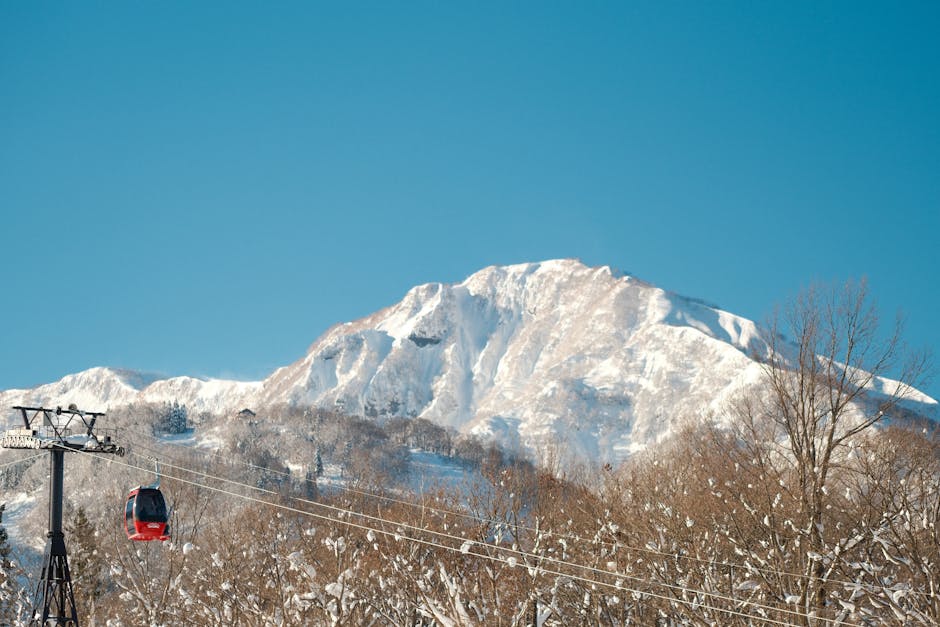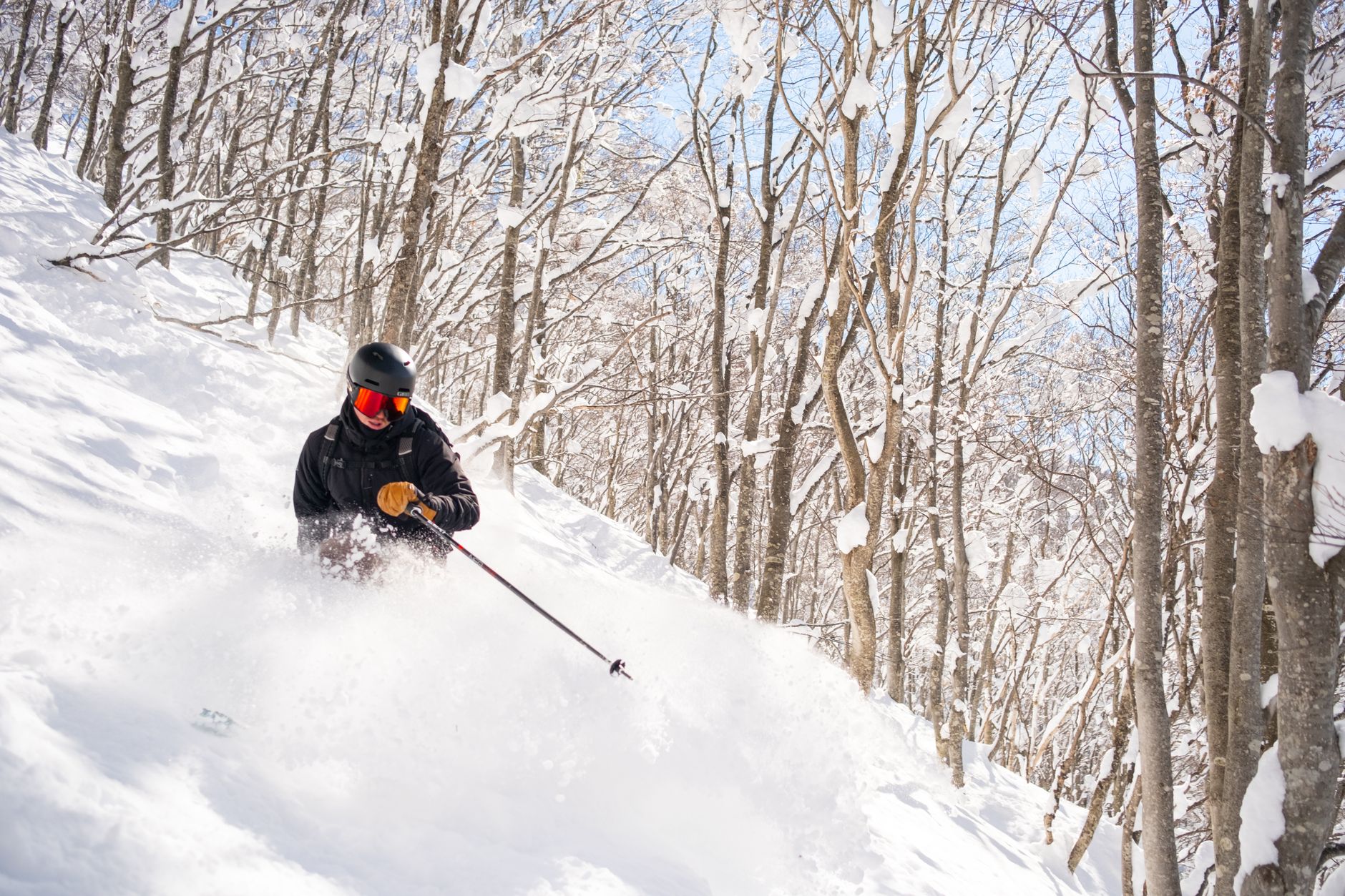
You've done Niseko. You've lapped Furano. You've started eyeing the ropes at Rusutsu and wondering what's on the other side. Mate, it might be time to talk about heli skiing and cat skiing in Japan.
Japan's guided off-piste options are still a bit of a hidden world compared to Canada or New Zealand. The industry is smaller, the operators are fewer, and the booking windows are shorter. But the snow quality? Absolutely unmatched. When you drop into a Hokkaido bowl that hasn't been touched since the last dump, there is genuinely nothing like it on the planet.
Here's the full picture.
Why Japan's Powder Makes Heli and Cat Skiing Worth the Price
Japan's snow is famously light and dry. The cold air masses rolling off Siberia pick up moisture crossing the Japan Sea, then dump it as ultra-low-density powder across Hokkaido and the mountains of Honshu. Hokkaido regularly sees snow with a water content of 5 to 8 percent. That's featherweight stuff. Stuff that floats around your knees even in a tight line through the trees.
When you combine that snow with the kind of untouched terrain that heli and cat operations access, you're skiing in conditions that most people only see in ski films. It's not hype. It's genuinely that good.
Cat Skiing in Japan: The Main Options
Cat skiing (snowcat-accessed backcountry) is more accessible than heli skiing, both in terms of cost and logistics. Japan has a handful of legitimate operations worth knowing about.
Shimamaki Cat Ski (Hokkaido) is the standout. Located in a small village about two hours from Sapporo, Shimamaki is a dedicated cat skiing operation running through the Hokkaido winter. The terrain is genuinely impressive, with long north-facing runs through birch forest dropping into open bowls. Groups are small, the guides are experienced, and the snow is consistently excellent. This is the one most serious powder hunters are talking about.
Iwanai Resort (Hokkaido) sits on the Shakotan Peninsula and has historically offered cat skiing access to terrain that gets absolutely hammered by Japan Sea storms. The resort itself is small, but the cat operation opens up a lot of vertical. Worth checking current availability each season as operations can vary.
Nayoro Piyashiri (Hokkaido) is a smaller local hill up in northern Hokkaido that occasionally runs guided cat tours into the surrounding terrain. It's well off the tourist trail. If you want to go somewhere that feels nothing like Niseko, this is it.
A few Honshu operators also run cat skiing in the mountains around Niigata and Nagano prefectures, though the snow quality is generally heavier than Hokkaido and the operations are smaller. Worth researching if you're already based in that region.
Heli Skiing in Japan: What's Actually Available
Heli skiing in Japan is more complicated than you'd expect. Japanese regulations around helicopter operations in mountain terrain are strict, and a lot of the early heli skiing activity that existed in Hokkaido has been scaled back or restructured over the years. That said, it does exist.
Hokkaido Heli Skiing operations have historically been run out of the Rusutsu and Niseko areas, as well as further north toward Asahidake and the Daisetsuzan range. The terrain around Daisetsuzan is genuinely world-class for heli skiing. We're talking massive, remote, untouched mountain terrain with consistent Hokkaido snow. The challenge is that operators come and go, and you need to book well in advance and confirm current status for each season.
A few international heli skiing companies have also run Japan-specific programs, typically as week-long guided packages. These tend to operate out of Sapporo or Asahikawa with accommodation included. They're expensive but they handle all the logistics, which in Japan is genuinely valuable.
Hot take: heli skiing in Japan is harder to access than it should be, and the industry hasn't grown the way it has in Canada or New Zealand. If you want guaranteed heli laps, New Zealand's Southern Alps or Canada's Kootenays are still more reliable. Japan's value is in the snow quality when it does come together.
What It Actually Costs
| Option | Typical Cost (per day/person) | Best For |
|---|---|---|
| Cat Skiing (Shimamaki) | 40,000 to 65,000 JPY | Powder addicts who want volume |
| Cat Skiing (other operators) | 25,000 to 45,000 JPY | Budget-conscious off-piste skiers |
| Heli Skiing (per run) | 30,000 to 60,000 JPY per run | Special occasion, bucket list |
| Heli Package (full week) | 1,500 USD+ per day all-in | Serious skiers, group trips |
Prices shift season to season and exchange rates matter. Check current operator websites and book early. Most serious operations sell out their January and February slots before November.
Gear and Fitness: Don't Show Up Underprepared
This is not resort skiing. You need to be a competent off-piste skier before you book a cat or heli day. If you're still figuring out your parallel turns on groomed runs, do that first.
Gear worth having:
- Wide powder skis. At least 110mm underfoot, ideally more. Brands like Volkl, Line, and Moment all make solid options. Japan's snow is so light that going too wide is rarely a problem.
- A beacon, probe, and shovel. Non-negotiable. Most operators require you to have your own or will rent them to you.
- Airbag pack. Increasingly standard on guided trips. Worth having.
- Waterproof shell, not insulated jacket. You'll be working hard on cat laps and you don't want to overheat.
- Goggles with a low-light lens. Hokkaido storms can drop visibility fast.
Fitness matters too. Cat skiing means hiking between runs sometimes, and heli skiing can involve significant traverses. Leg strength and cardio will make your day a lot more fun.
My Take as an Aussie Who Skis Japan Every Year
I've done cat skiing at Shimamaki and it is legitimately one of the best ski days I've had anywhere in the world. The combination of Hokkaido snow, birch forest terrain, and a small group with a good guide is hard to beat.
The heli skiing picture in Japan is more frustrating. The potential is enormous but the access is inconsistent and the industry hasn't really sorted itself out yet. I'd love to see it develop more. For now, if heli skiing is your main goal, I'd combine Japan cat skiing with a separate heli trip somewhere more established.
But cat skiing in Hokkaido? Book it. Do it before it gets more popular and the prices climb. It's still a bit of a secret and that won't last forever.
Frequently Asked Questions
Do I need to be an expert skier to do cat skiing in Japan?
You need to be a solid intermediate to advanced off-piste skier. Most operators will ask about your experience before confirming a booking. If you can comfortably ski ungroomed terrain and handle variable snow, you'll be fine. If you've never skied off-piste before, do a guided day at a resort first.
When is the best time to book heli or cat skiing in Japan?
January and February are the prime months for snow quality and consistency. Book at least two to three months in advance for January slots. Some operators open bookings in October for the following season, so check early. March can still deliver good snow, especially in northern Hokkaido.
Is avalanche safety training required?
Operators provide guides who manage avalanche risk, but they will require you to carry a beacon, probe, and shovel. Some operators also require or recommend completion of an avalanche awareness course before joining a trip. It's worth doing regardless.
Can I combine a cat skiing day with a normal resort day in Hokkaido?
Absolutely. Shimamaki is about two hours from Niseko and Rusutsu. Most people build a cat skiing day into a longer Hokkaido trip. It works well as a mid-trip highlight, especially if a big dump has just come through and the powder is fresh.
Are there cat skiing options in Honshu, not just Hokkaido?
Yes, a few operators run guided cat and snowcat-accessed tours in the Niigata and Nagano regions. The snow is generally heavier and wetter than Hokkaido, especially later in the season. It can still be excellent, particularly after a cold storm cycle. Search for guided backcountry operators based in Myoko Kogen or Hakuba for the best options in that region.