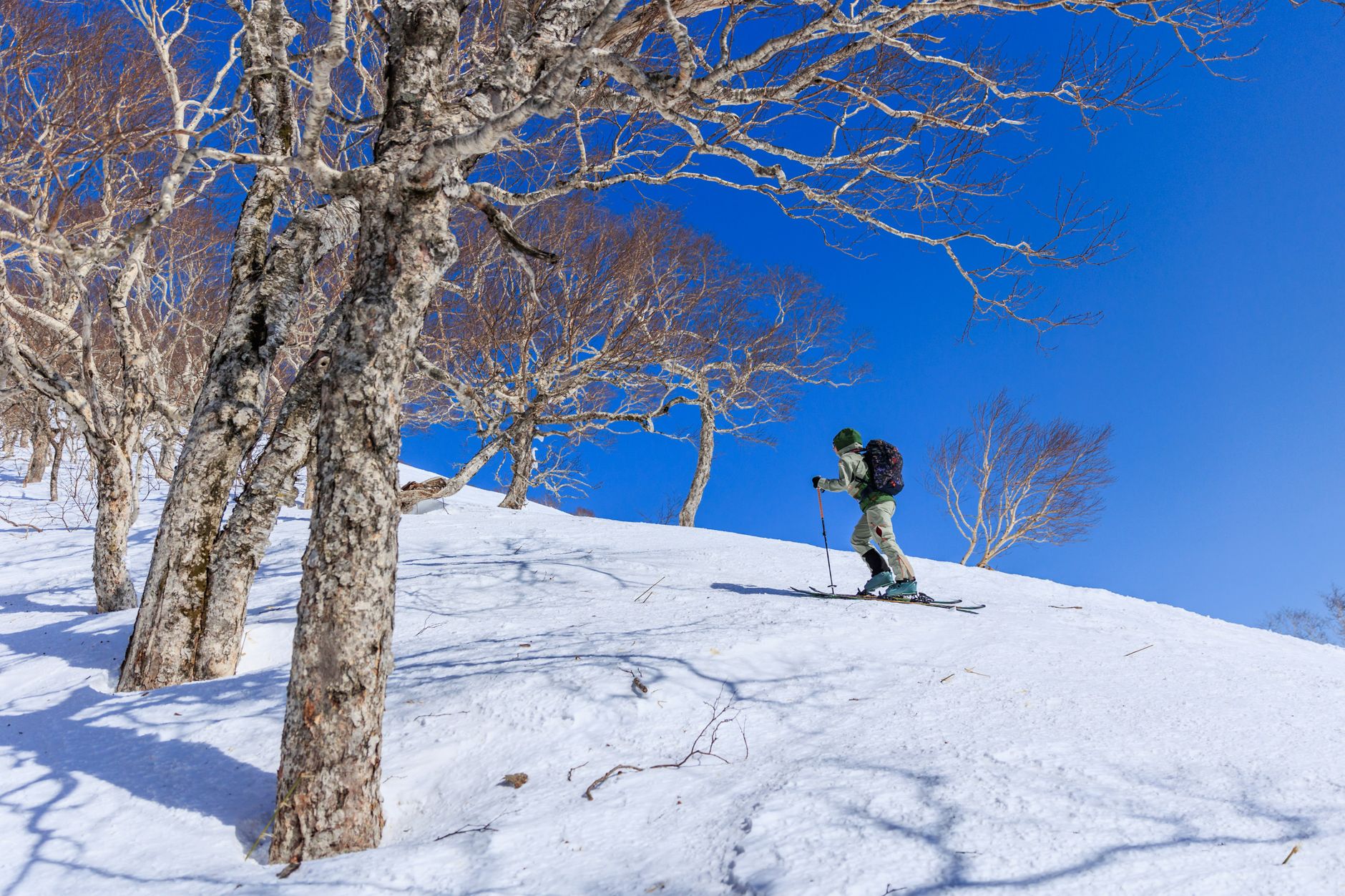
Solo skiing in Japan is, without question, one of the best travel decisions you can make. No waiting for your mate who's still in the lodge. No arguing about which run to take. No one slowing you down when the powder alarm goes off at 7am. Just you, a chairlift, and whatever Hokkaido or Nagano throws at you that day.
That said, there are a few things worth knowing before you rock up at Niseko or Hakuba on your own for the first time. This guide covers everything from where to base yourself to how to meet people, eat well, and not feel like a lonely goose sitting alone in a ramen shop every night.
Why Japan Is Actually Perfect for Solo Skiers
Most people assume skiing alone is a bit sad. In Japan, it's the opposite. The culture is set up for solo travel in a way that almost nowhere else is. Solo seats at restaurants are normal. Ramen counters are built for one. Convenience stores have hot food at midnight. Nobody stares at you.
On the mountain, you're never actually alone. The chairlifts pair you up with strangers constantly, and Japanese ski culture is genuinely friendly. You'll end up chatting to a local from Sapporo or a Swiss guy on a ski sabbatical within your first morning. It just happens.
And the skiing itself rewards solo movement. When a fresh dump comes in overnight at Furano or Kiroro, you're not waiting for anyone. You're first on the lift. That matters.
The Best Resorts for Solo Skiers
Not every resort is equal for going it alone. Here's a quick breakdown:
- Niseko United (Hokkaido): The obvious choice and honestly still a great one. Hirafu village has the best solo nightlife, the most English-speaking skiers, and enough bars and restaurants that you'll never eat alone unless you want to. The downside is it's expensive and crowded. But for a first solo trip, the infrastructure is hard to beat.
- Furano (Hokkaido): Better snow than Niseko on most days, quieter, and the town has a genuinely warm local vibe. Less of a party scene, more of a sit-down-and-eat-a-proper-meal scene. Brilliant for skiers who want to focus on skiing.
- Kiroro (Hokkaido): Quieter again, resort-based, and absolutely stacked with snow. If you want to disappear into powder for a week without social pressure, Kiroro is your spot. The resort has accommodation right at the base so you barely need to leave.
- Hakuba (Nagano): Massive area, Happo-One is the headline act, but Cortina is where the deep stuff hides. The village has a strong Aussie and international presence so making friends is easy. Echoland and the main strip have enough good food and drink to keep you happy after dark.
- Nozawa Onsen (Nagano): A proper Japanese village with a free public onsen in the town square. Tight streets, great local food, and a pace of life that makes you slow down a bit. Solo skiers who want a cultural experience alongside the skiing should seriously consider this one.
Where to Stay When You're Flying Solo
This is where you can save a serious amount of money compared to travelling with a group. A few options worth knowing:
- Hostels and guesthouses: Places like Rhythm Hostel in Hakuba or various guesthouses in Hirafu are genuinely social. Common areas, shared dinners, and the kind of random conversations that turn into a powder posse for the week. Don't dismiss them.
- Pensions: Japanese ski pensions are a ripper option. Usually family-run, breakfast and dinner included, and the owners often know the mountain better than anyone. Great value and surprisingly social because everyone eats together.
- Ryokan: Solo rates at ryokan can sting a bit because rooms are priced for two, but budget ryokan exist and the onsen access makes it worth considering for at least a few nights. Nozawa Onsen and Myoko Kogen have good options.
Eating Alone (Which Is Completely Fine Here)
Japan has essentially solved the problem of eating alone. Counter seating is everywhere. Ramen shops, curry shops, katsu joints, even some sushi bars have single seats that face a wall or a kitchen, and it's completely normal. Nobody thinks anything of it.
Hot take: eating alone at a ski resort in Japan is actually better than eating with a group. You eat faster, you get back on the mountain faster, and you can order the weird thing on the menu without someone judging you. The karaage and beer lunch at Furano's base lodge, eaten alone at a plastic table while watching snow fall outside, is one of my favourite meals in skiing. Full stop.
Meeting People on the Mountain
You don't need to try hard. It just happens. A few things that help:
- Chairlifts. Japan has a lot of two-person and four-person chairs and they will pair you with strangers. Say g'day.
- Ski school. Even experienced skiers benefit from a lesson in Japan, and group lessons are a guaranteed way to spend half a day with interesting people.
- The onsen. Communal bathing sounds confronting if you haven't done it before, but it's genuinely one of the more social experiences on a ski trip. The rules are simple: wash before you get in, no towel in the water, keep your voice down.
- Bar seats. Any bar with a counter seat is an invitation to talk to whoever's next to you. Hirafu has plenty.
My Take as an Aussie Who Skis Japan Every Year
I've done Japan solo twice and with mates four times. Solo is honestly my preference now. The freedom is real. You ski more vertical, you eat when you're hungry, you stay out when you feel like it, and you leave when you don't. Japan rewards that kind of flexibility more than almost anywhere else.
The thing that surprises people most is how not-lonely it is. The country is set up for solo movement in a way that makes you feel looked after rather than isolated. A warm bowl of ramen after a big day, a soak in a public onsen with steam rising into cold air, a cold Sapporo at a tiny bar in Hirafu at 9pm. None of that requires company to be good.
If you've been putting off a Japan ski trip because you can't get anyone to commit, stop waiting. Book it. Go alone. You'll wonder why you didn't do it sooner.
Frequently Asked Questions
Is Japan safe for solo skiers?
Extremely. Japan is one of the safest countries in the world for solo travel. On-piste skiing is well-managed, resorts have good patrol presence, and the general culture of helpfulness means you're never far from assistance if you need it. Just use common sense in the backcountry and don't go off-piste alone without proper gear and knowledge.
Do I need to speak Japanese to ski Japan solo?
Not at all. Major resorts like Niseko, Hakuba, Furano, and Rusutsu have strong English-language infrastructure. Lift tickets, lessons, rental shops, and most restaurants can be navigated in English. Learning a few basic phrases (thank you, excuse me, one please) goes a long way and locals genuinely appreciate the effort.
What's the best length for a solo Japan ski trip?
Ten to fourteen days is the sweet spot. It gives you enough time to base yourself at two resorts without feeling rushed. A week at Niseko or Furano followed by a week in Hakuba or Nozawa Onsen is a classic combo that covers both Hokkaido powder and Nagano variety.
Is solo skiing in Japan expensive?
It depends entirely on how you approach it. Niseko is pricey. Furano, Kiroro, Nozawa Onsen, and Myoko Kogen are all significantly cheaper and have excellent snow. Staying in pensions or guesthouses, eating at local restaurants and convenience stores, and buying regional lift passes rather than premium day tickets will keep costs very manageable.
How do I find other skiers to ride with for a day?
The easiest way is to join a group ski lesson for a morning. Beyond that, guesthouses and pensions with communal dinners are brilliant for this. Facebook groups like Niseko Noticeboard and various Japan ski travel groups also have active communities where people post looking for riding partners. It's more common than you'd think.
