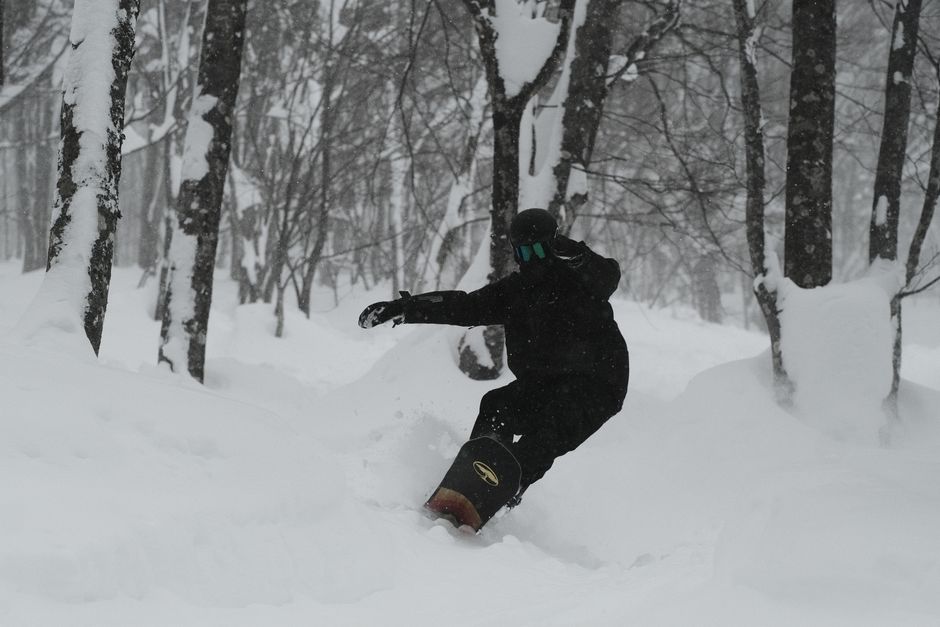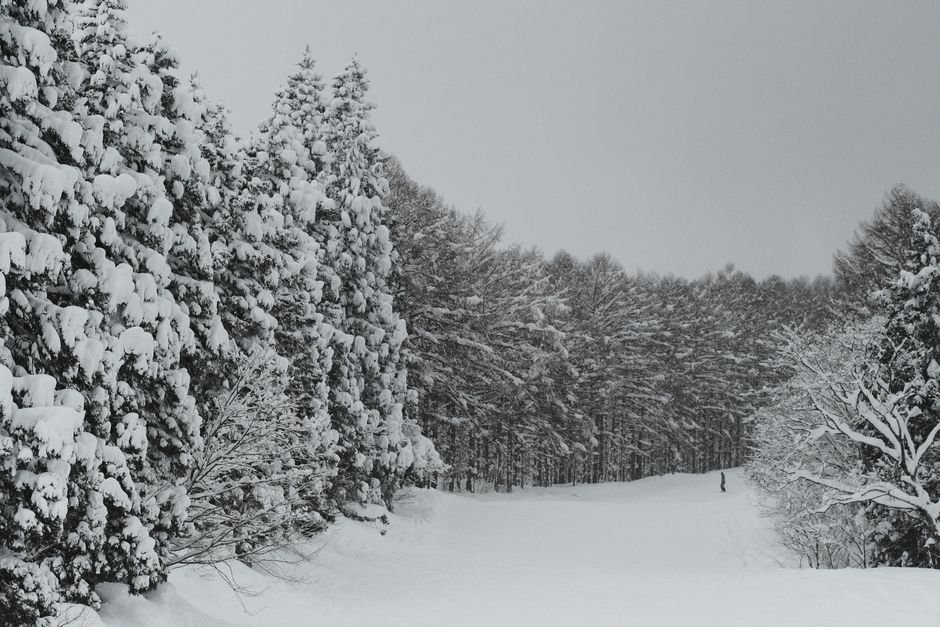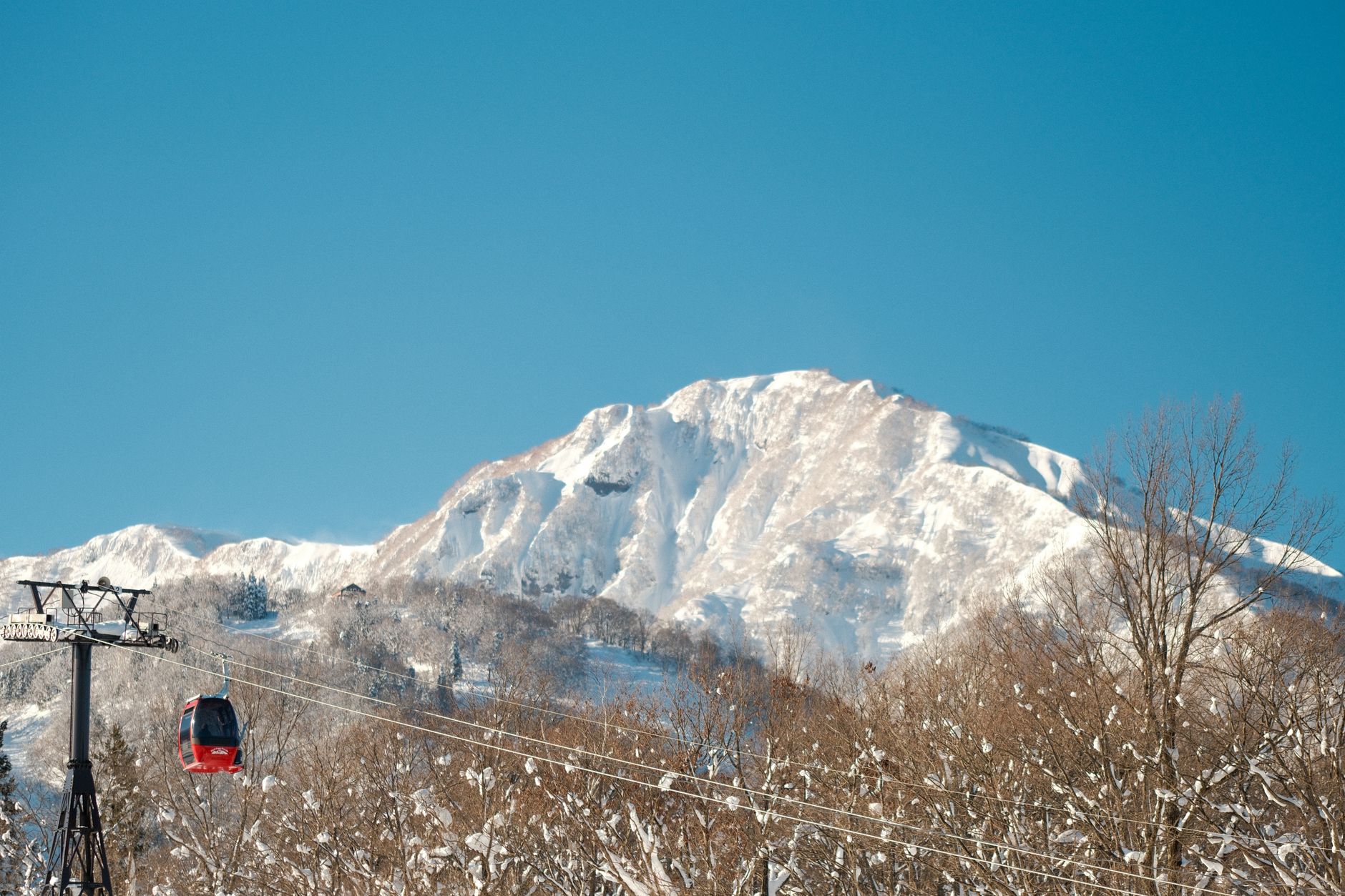
Here's the truth nobody says out loud: Japan skiing can be done for way less than most people think. Yes, Niseko will drain your wallet faster than a broken tap. But Japan is a big country with a lot of snow and a lot of resorts, and plenty of them won't cost you a fortune.
I've done Japan on a shoestring and I've done it comfortably. The difference isn't as big as the Instagram crowd wants you to believe.
Why Japan Has a Reputation for Being Expensive (And Why It's Partly Deserved)
Niseko is the culprit. Prices there have gone properly silly over the last decade, driven by international investment and a flood of Australian, Chinese, and Hong Kong visitors who were happy to pay ski-resort-in-Switzerland prices for a ski town in rural Hokkaido.
Accommodation in Hirafu during peak January can genuinely cost $500 to $1,000 AUD per night for a decent apartment. Lift tickets are pushing 8,000 to 10,000 yen a day. A bowl of ramen in the village costs more than one in Sapporo city. It adds up fast.
But here's the thing: Niseko is not Japan skiing. It's one resort out of hundreds.
The Honest Budget Breakdown for a Japan Ski Trip
Let's talk real numbers for a 10-day trip from Melbourne, peak season (late January), based on what I've actually spent.
| Category | Budget Option | Mid-Range | Niseko Splurge |
|---|---|---|---|
| Flights (return, MEL-Tokyo) | $900-$1,200 AUD | $1,200-$1,800 AUD | $1,800+ AUD |
| Accommodation (per night) | $40-$80 (hostel/pension) | $120-$200 (pension/hotel) | $400-$1,000+ (Hirafu) |
| Lift passes (per day) | $50-$70 AUD | $70-$100 AUD | $100-$130 AUD |
| Food (per day) | $20-$35 AUD | $40-$70 AUD | $70-$150 AUD |
| Transport (10 days) | $200-$300 AUD | $300-$500 AUD | $500+ AUD |
A budget 10-day trip, done properly, can come in under $3,500 AUD all up including flights. That's not roughing it. That's smart planning.
Where to Ski if You're Watching the Yen
Skip Niseko. At least for your base. Here are the resorts where your money goes further and the snow is still absolutely ridiculous.
Furano, Hokkaido. My favourite budget-friendly Hokkaido option. The town is real, the food is cheap and brilliant, accommodation is a fraction of Niseko prices, and the powder is just as good. Furano Ski Resort has 23 runs, a solid vertical drop of around 940 metres, and almost no crowds compared to Grand Hirafu. A pension in town will run you $80 to $130 AUD a night including breakfast and dinner. That's a ripper deal.
Kiroro, Hokkaido. Slightly more remote, but Kiroro gets some of the heaviest snowfall in Hokkaido. It's a proper resort with good lifts and fantastic tree skiing. Not as cheap as Furano but still well below Niseko, and the quality of snow makes it worth every yen.
Nozawa Onsen, Nagano. This is the one I recommend to every budget-conscious Aussie who wants the full Japan experience. It's a genuine hot spring village, the accommodation is mostly family-run pensions and ryokan at reasonable prices, the lift tickets are affordable, and the Nagasaka gondola opens up some seriously good terrain. Plus the free public onsens (soto-yu) scattered around the village mean your après-ski costs basically nothing.
Myoko Kogen, Niigata. Five interconnected resorts, a proper Japanese mountain town, and prices that feel like Japan used to feel before Niseko went global. Akakura Onsen is a great base. Suginohara gets deep snow. Lotte Arai next door is fancier but still reasonable. This whole area is criminally underrated by Aussies.
Madarao Kogen, Nagano. Smaller, quieter, and genuinely excellent for tree skiing. Madarao has some of the best natural glade terrain in Nagano and a tiny village feel. Accommodation is cheap, lift tickets are cheap, and the powder stashes last for days after a storm because almost nobody is there.
Flights: When to Book and Where to Look
Flying from Melbourne to Hokkaido (Sapporo New Chitose) or Nagano-area resorts (fly into Tokyo Narita or Haneda, then shinkansen) is the single biggest variable in your budget.
Book early. I mean it. January and February flights from Melbourne to Japan fill up fast, especially since Japow tourism bounced back hard post-COVID. Aim to book at least four to six months out. Fly midweek if you can. Japan Airlines and ANA are often cheaper than you'd expect if you catch them early. Jetstar flies direct Melbourne to Osaka (Kansai) which is a solid option if you're skiing Nagano and don't mind a short shinkansen hop.
Hot take: flying into Osaka instead of Tokyo and taking the shinkansen to Nagano saves you money and is actually a better experience. Change my mind.
Gear: Rent It or Bring It
Renting in Japan is genuinely good. Shops in Furano, Nozawa, Hakuba, and Myoko stock modern gear including wide powder skis (the Salomon QST 106 and Volkl Blaze 106 are common rentals). You'll pay $40 to $70 AUD a day for a full ski setup. Boots are the weak link, so if your feet are fussy, bring your own boots and rent skis.
If you're going for more than 7 days and you own decent powder skis, bring them. The cost of a ski bag on most airlines is $50 to $100 AUD each way, and you'll ski better on gear you know. Just budget for it.
Food: Eat Like a Local, Not Like a Tourist
This is where Japan genuinely rewards budget travellers. A bowl of ramen at a local shop in Furano or Nozawa costs 800 to 1,200 yen. A katsu curry set lunch at a mountain restaurant is maybe 1,000 to 1,500 yen. Convenience stores (7-Eleven, Lawson, FamilyMart) do hot food all day that is legitimately delicious and costs almost nothing.
The mistake is eating at resort-base restaurants every day. They're fine but pricey. Walk five minutes into town and eat where the locals eat. Every single time.
My Take as an Aussie Who Skis Japan Every Year
The best Japan ski trips I've had weren't the expensive ones. They were the weeks I spent in Nozawa soaking in the free onsens, eating ramen for dinner every night, and skiing untracked powder at Madarao because nobody else was there. Japan rewards the traveller who does a bit of homework. The snow doesn't care what you paid for your accommodation.
Pick your resort based on what suits your skiing and your budget, not based on what your mates posted on Instagram. Furano and Nozawa will give you the Japan ski trip of your life for half the price of Niseko. That's not a consolation prize. That's just the truth.
Frequently Asked Questions
What's the cheapest time to ski Japan?
Early December and late March are the cheapest periods. Snow can be patchy in early December but late March often still has excellent conditions, especially in Hokkaido and at higher-altitude Nagano resorts. Prices for flights and accommodation drop noticeably outside the January and February peak.
Is a JR Pass worth it for a ski trip?
It depends entirely on your itinerary. If you're flying into Tokyo and heading to Hakuba or Nozawa for the whole trip, a regional JR pass (Nagano area) is often better value than the national pass. If you're combining Hokkaido and Honshu, the national pass can pay off. Run the numbers before you buy. The JR website has a fare calculator.
Can I ski Japan without speaking Japanese?
Absolutely. Major resorts have English signage on trail maps and at lift stations. Smaller resorts like Madarao and Myoko are a bit more Japanese-only but you'll figure it out. Google Translate's camera function handles menus and signs brilliantly. A few basic phrases (arigatou gozaimasu, sumimasen) go a long way.
Is renting gear in Japan actually any good?
Yes, genuinely. Rental shops at Furano, Hakuba, Nozawa, and Niseko stock modern gear and the staff know what they're doing. The one thing I'd say is that boot fit can be hit or miss if you have wide feet, since Japanese rental stock skews toward narrower lasts. Bring your own boots if fit is important to you.
Which resort gives the best value for money overall?
Nozawa Onsen in Nagano is my pick. You get a genuine Japanese village, free onsens, affordable accommodation, decent terrain for most skill levels, and reliable snowfall. It's not the biggest resort in Japan but the overall experience per dollar is hard to beat. Furano is a close second if you want Hokkaido powder specifically.