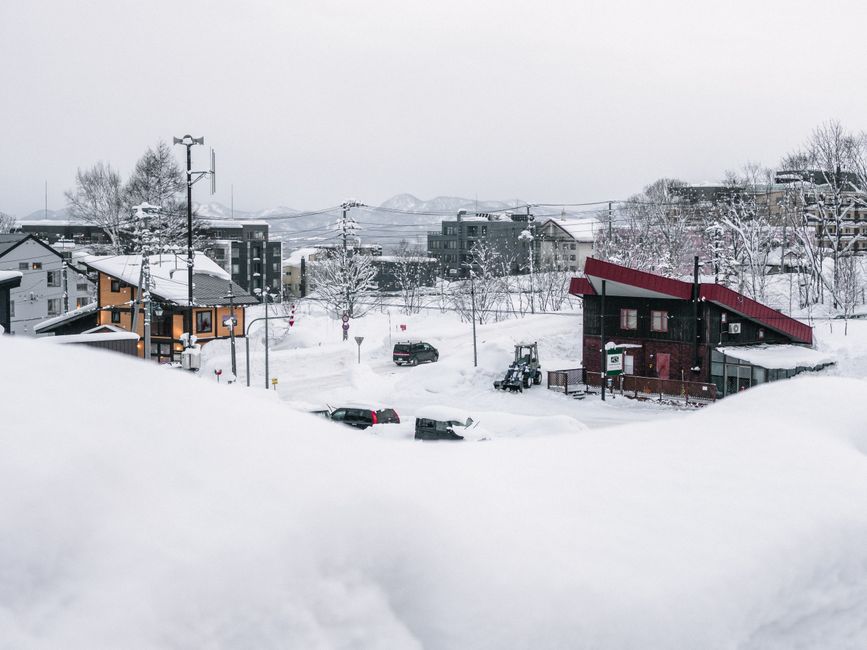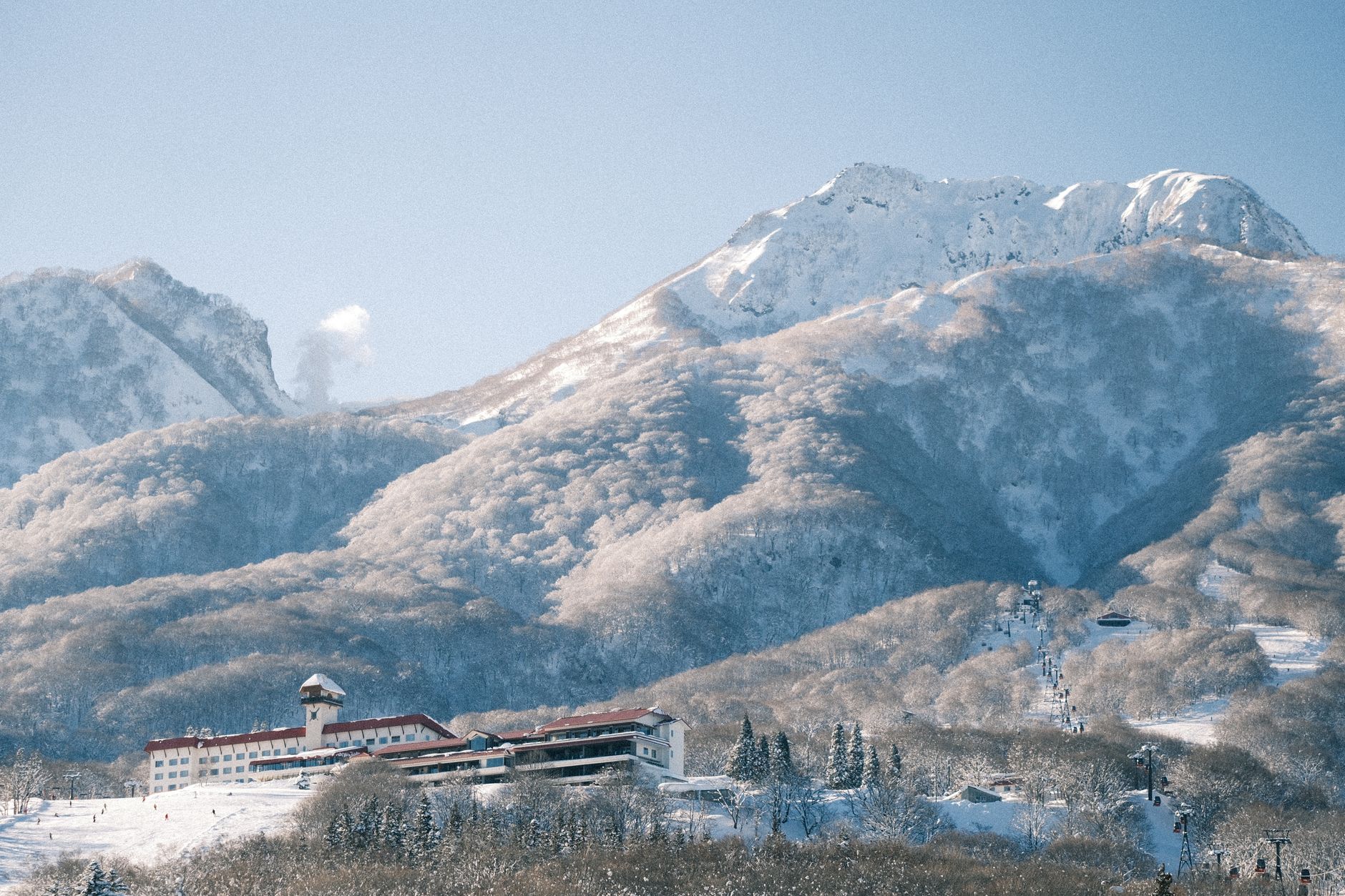
Most Aussies land in Japan and head straight to Niseko or Hakuba. Fair enough. But if you want deep powder, a proper onsen town, way fewer lift queues, and a ski region that still feels like Japan rather than a international resort suburb, Myoko Kogen is the answer you've been sleeping on.
This is a full breakdown of what Myoko actually is, which resorts are worth your time, and how to make the most of a trip here.
What Is Myoko Kogen and Why Does It Get So Much Snow?
Myoko Kogen is a cluster of ski resorts sitting in the mountains of southern Niigata Prefecture, about two hours from Tokyo by shinkansen and bus. The main resorts are Akakura Onsen, Akakura Kanko, Suginohara, Ikenotaira, and Seki Onsen. They're not linked by lifts, but they're close enough to ski a different one each day without drama.
The snowfall here is serious. Myoko sits right in the path of cold air coming off the Sea of Japan, picking up moisture over the water and dumping it on the mountains as heavy, dry snow. Average base depths at the top of Suginohara regularly hit 3 to 4 metres mid-season. It's not Hokkaido-light either. This is proper, dense Japan Sea snowpack with legitimate tree skiing opportunities.
The Resorts Broken Down
Each resort in the Myoko area has its own personality. Here's the honest version:
- Suginohara: The biggest vertical in the region and the best choice for strong skiers. Long groomed runs, decent off-piste between the trees, and a top elevation that catches the best snow. This is where you want to be on a powder day.
- Akakura Onsen: The most central and most atmospheric. It sits right above the main onsen village, so you can ski to the bottom and walk to a rotemburo (outdoor bath) in about five minutes. Good mix of terrain for intermediate skiers.
- Akakura Kanko: Smaller, quieter, and connected to a big hotel. Suits families and beginners. Not much to write home about terrain-wise, but the snow quality is the same as everywhere else in the region.
- Ikenotaira: Great for families. Gentle slopes, excellent snow, and very relaxed crowds. If you're bringing kids or a partner who's still finding their ski legs, start here.
- Seki Onsen: Small but punchy. Known for its narrow, steep, tree-lined runs. If you like tight trees and old-school Japanese mountain vibes, Seki is a ripper little surprise. Queues are basically nonexistent.
How Myoko Compares to Other Niigata Resorts
| Resort | Vertical | Crowd Level | Best For | Onsen Town |
|---|---|---|---|---|
| Suginohara (Myoko) | ~850m | Low to moderate | Strong skiers, powder | Yes (nearby) |
| Naeba | ~800m | High | Intermediates, après | No |
| Kagura/Mitsumata | ~800m | Moderate | Powder, spring skiing | No |
| Lotte Arai Resort | ~800m | Low | Luxury, off-piste | On-site |
| Gala Yuzawa | ~200m | Very high | Day trippers from Tokyo | No |
Myoko wins on atmosphere, snowfall consistency, and the combination of real skiing with a genuine Japanese village experience. Naeba is bigger and flashier but the crowds on weekends are brutal. Gala Yuzawa is a laugh for a day trip but you wouldn't build a ski holiday around it.
The Akakura Onsen Village Is Half the Reason to Come
Akakura Onsen is one of those rare ski towns where the non-skiing side of the trip is genuinely excellent. There are proper ryokan, good ramen shops, izakayas that stay open late, and multiple public baths you can walk to in your ski socks. The vibe is old Japan. Not Instagram Japan. Actual Japan.
Myoko Kanko Hotel is the big resort hotel if you want convenience. For something more local, look at the smaller ryokan and pensions scattered through Akakura. Most include dinner and breakfast, and the meals are usually outstanding. Fresh mountain vegetables, local sake, and more food than you can physically eat.
Getting to Myoko from Tokyo (and from Osaka)
From Tokyo, take the Hokuriku Shinkansen from Tokyo or Ueno station to Joetsumyoko Station. That's about 90 minutes. From there, buses run to the resort area, or you can grab a taxi. The whole trip is under two hours door to door, which makes Myoko an option even for a three or four night add-on at the end of a longer Japan trip.
From Osaka or Kyoto, the Hokuriku Shinkansen also connects via Kanazawa. It's a longer ride but very doable. Myoko is genuinely one of the more accessible powder regions in Japan for Aussies who are combining a ski trip with time in the Kansai area.
A rental car helps if you want to hop between the five resorts freely, but it's not essential. The resorts run shuttle buses and taxis are cheap by Australian standards.
When to Go for the Best Snow
Peak season at Myoko is late January through mid-February. That's when the Japan Sea effect is firing consistently and you're most likely to hit consecutive powder days. January can be a touch cold and icy early in the month. February is the sweet spot.
Late December is worth considering if you're flexible. The snow arrives early in Myoko compared to some Nagano resorts, and you can often find ripper conditions in the last week of December without peak-season crowds or prices.
Avoid the Japanese public holiday windows if crowds bother you. The resort gets noticeably busier during school holidays and long weekends, though it still doesn't come close to Niseko or Hakuba on a busy Saturday.
My Take as an Aussie Who Skis Japan Every Year
Myoko is the resort region I recommend to mates who've already done Niseko and want something different. It's got real snow, real terrain, and a real Japanese town attached to it. You're not fighting for lift space with half of Melbourne.
Hot take: Seki Onsen is one of the most underrated little ski areas in all of Japan. It's tiny, it's steep in places, the trees are tight, and you'll have whole runs to yourself on a powder morning. No one talks about it. Go before someone writes a viral article about it. Oh wait.
If you've never been to Japan at all, Myoko might feel like a slightly advanced starting point because the English signage and English-speaking staff are thinner on the ground than at Niseko. But honestly, she'll be right. The locals are helpful, the food is excellent, and the skiing is worth every bit of the extra planning effort.
Frequently Asked Questions
Is Myoko Kogen good for beginners?
Yes, especially Ikenotaira and Akakura Kanko. Both have gentle beginner slopes and ski school options. The snow is soft and forgiving, which makes learning a lot less painful than on icy groomers.
Do I need a car to ski Myoko?
Not strictly. The resorts run shuttle buses and taxis are affordable. But a rental car makes it much easier to hop between the five resorts across a week. If you're staying at one resort for the whole trip, you'll be fine without one.
How does Myoko snow compare to Niseko?
Different beast. Niseko gets famously dry, light powder. Myoko snow is slightly denser but still excellent. The snowfall totals are comparable, and the tree skiing at Suginohara and Seki can match anything you'll find in Hokkaido.
What's the best resort in Myoko for advanced skiers?
Suginohara for the vertical and the off-piste options. Seki Onsen for tight tree runs and steep pitches. Both reward skiers who are comfortable in variable conditions and ungroomed terrain.
Can I day trip to Myoko from Tokyo?
Technically yes, the shinkansen makes it possible. But it's a long day and you'd only get a few hours on snow. Two nights minimum makes the trip worthwhile. Three or four nights is the sweet spot to properly explore the different resorts.