If you've been to Niseko, loved it, and then slowly watched it turn into a luxury real estate catalogue with some ski lifts attached, Myoko Kogen is your antidote. It's a proper Japanese ski town in Niigata prefecture, it gets absolutely buried in snow from the Japan Sea, and most Australians still walk straight past it on their way to Hakuba or Hokkaido. Their loss. Your gain.
Here's everything you need to know before you go.
Where Exactly Is Myoko Kogen?
Myoko sits in the mountains of southern Niigata, about 2.5 hours from Tokyo by shinkansen to Joetsumyoko station. You can also get there from Nagano in about 40 minutes by local train, which makes it a ripper add-on if you're already doing Hakuba or Nozawa Onsen.
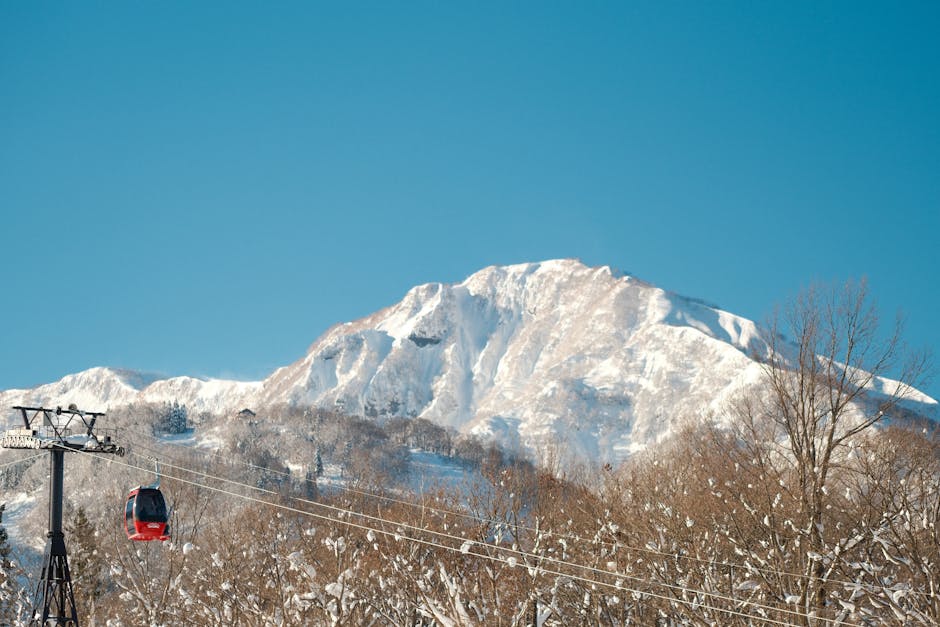
The town itself is a collection of small resort villages spread around the base of Mount Myoko, a dormant volcano that looks exactly like what a mountain is supposed to look like. Akakura Onsen is the main hub. Akakura Kanko, Suginohara, Ikenotaira, and Seki Onsen are the other ski areas within a short drive or bus ride. They're not all lift-linked, but the Myoko Kogen area ski pass covers most of them.
The Snow: Why Myoko Gets Buried
Myoko sits in a sweet spot where cold air masses rolling off the Sea of Japan dump enormous amounts of moisture as they hit the mountains. The Japan Sea effect is real, and Myoko catches it hard. Average snowfall is somewhere around 10 to 12 metres per season. That's not a marketing number. That's just what happens here.
The snow quality is slightly heavier than Hokkaido's famous champagne powder, but it's still exceptional by any standard outside Japan. Think of it as Hokkaido's more reliable cousin. You're not gambling on the forecast the same way you might at a lower-altitude Honshu resort.
The Ski Areas: What's Actually Worth Your Time
Myoko isn't one big resort. It's a cluster. Here's the honest breakdown:
- Akakura Onsen: The most central and popular area. Good variety of terrain, a solid mix of groomers and off-piste trees. This is where most visitors base themselves and it's the right call.
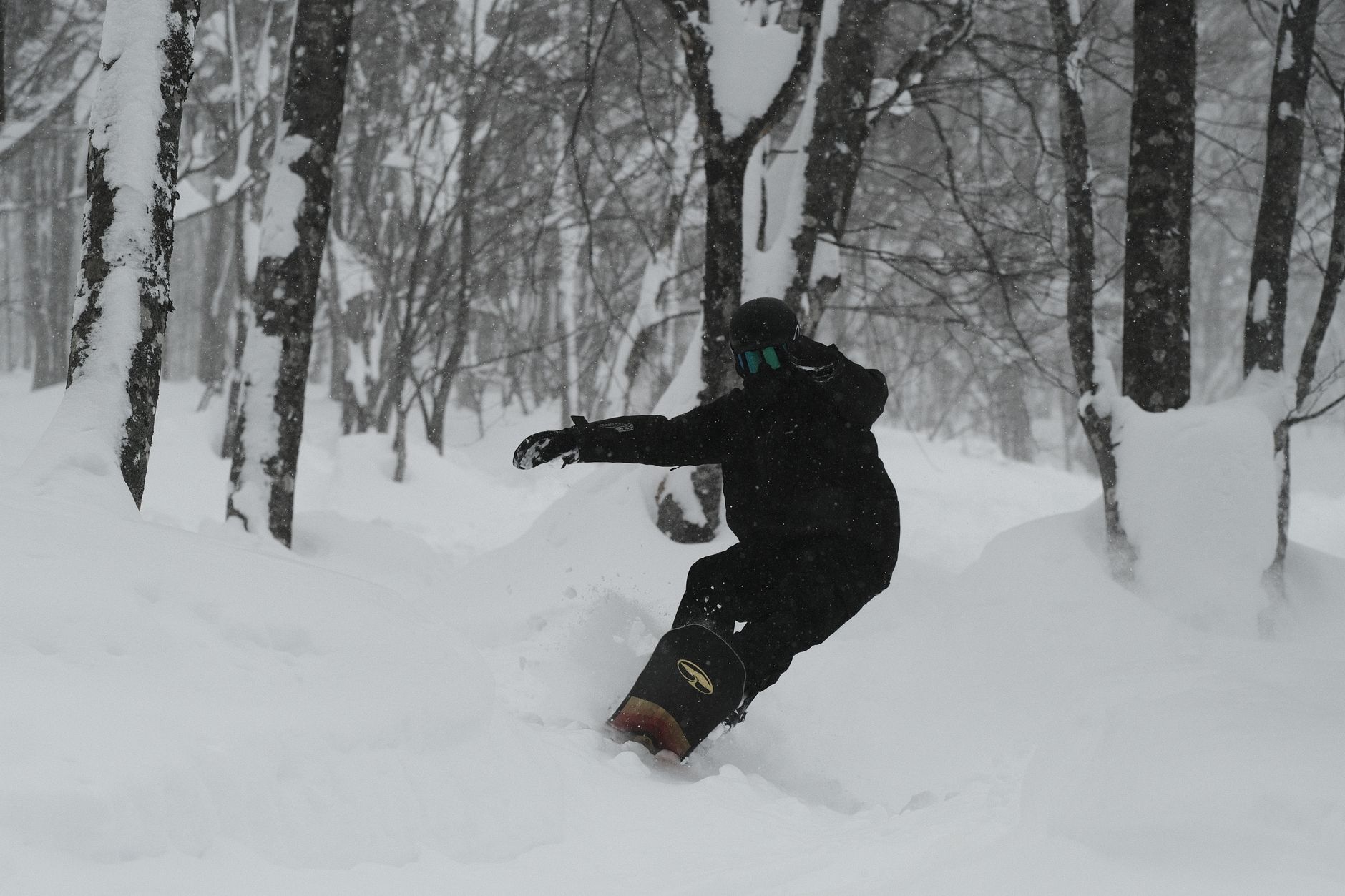
- Suginohara: The biggest vertical in the area at around 1,000 metres. Long top-to-bottom runs, less crowded than Akakura, and the tree skiing here after a fresh dump is genuinely world-class. If you're a confident skier, spend at least one full day here.
- Akakura Kanko: The old-school resort attached to the Akakura Kanko Hotel. Quieter, well-groomed, great for intermediates or a cruisy morning before the powder gets tracked out.
- Ikenotaira: Small, family-friendly, good for beginners or a half-day. Nothing to write home about but it's fine.
- Seki Onsen: A tiny, old-school area that still runs a single rope tow. Sounds daggy. Actually brilliant. The tree skiing off Seki is some of the best sidecountry in the region and almost nobody goes there. Hot tip.
- Lotte Arai Resort: Technically part of the broader Myoko area and worth mentioning. It's a high-end resort that reopened a few years back with a gondola and a focus on powder skiing. Pricier than the others but the terrain is excellent and it's still not on most Australians' radar.
The Town: Akakura Onsen Village
This is where Myoko wins the vibe battle against a lot of its competitors. Akakura Onsen is a proper Japanese ski town. There are izakayas, ramen shops, onsen bathhouses, a handful of pension-style guesthouses run by locals, and a general lack of the sort of corporate polish that makes some resorts feel like a theme park.
You can eat a bowl of ramen for 800 yen. You can drink Sapporo draft at a tiny bar while the snow piles up outside. You can walk to the lifts from most accommodation. It feels like Japan, not like a resort that happens to be in Japan. That distinction matters more than most people realise until they've experienced both.
Getting Around Myoko Without a Car
You don't need a car, but it helps if you want to ski multiple areas in one trip. The local ski bus connects most of the resort areas during the season and it's cheap and reliable. Joetsumyoko station has taxis and some accommodation offers shuttle services.
If you're flying into Tokyo (Narita or Haneda), the shinkansen to Joetsumyoko is the cleanest option. Book seats in advance during peak January and February weekends. It fills up.
Best Runs to Seek Out
A few specific things to put on your list:
- The long tree runs off the top of Suginohara after fresh snow. No grooming, no ropes, just deep powder between birch trees. Get there early.
- The lower mountain at Akakura Onsen on a powder day. The runs through the trees above the village are steep enough to be fun and sheltered enough to hold snow for longer than the open faces.
- Seki Onsen's sidecountry. Ask locally, go with someone who knows it, and check the avalanche forecast. But if conditions are right, it's a special experience.
My Take as an Aussie Who Skis Japan Every Year
Myoko is the resort I recommend to anyone who's done Niseko once and wants something more authentic. It's not as easy to get to as Hakuba. It doesn't have the name recognition of Furano. But it has better snow than most of Honshu, a town that still feels Japanese, and ski areas that reward people who explore.
The lack of crowds is the biggest thing. On a powder day at Suginohara you can lap the same line three or four times without seeing another set of tracks. That basically doesn't happen at Niseko anymore. At Myoko it still does, at least for now.
Go before everyone else figures it out. Seriously.
Quick Comparison: Myoko vs the Alternatives
| Factor | Myoko Kogen | Niseko | Hakuba |
|---|---|---|---|
| Snow quality | Excellent | Outstanding | Very good |
| Crowd level | Low to moderate | High | Moderate to high |
| Town vibe | Authentic Japanese | International resort | Mixed |
| Price | Budget friendly | Expensive | Mid to high |
| Access from Tokyo | 2.5 hrs shinkansen | Fly to Sapporo | 3 hrs bus or train |
| Terrain variety | Good | Very good | Outstanding |
FAQ
When is the best time to ski Myoko Kogen?
Late January through mid-February is the sweet spot for snow depth and quality. Early January can be good but the base is still building. March is fine for spring conditions but the powder days become less frequent.
Do I need to speak Japanese to ski Myoko?
You'll be fine. English is limited in the town compared to Niseko, but resort staff at the main areas have enough to get you through lift passes and rentals. Download Google Translate before you go and you'll handle anything else.
Is Myoko good for beginners?
Yes, especially Akakura Onsen and Ikenotaira. There are gentle groomers, ski schools with English-speaking instructors, and the terrain doesn't throw you in the deep end. That said, the real appeal of Myoko is for intermediate to advanced skiers who want off-piste and trees.
Can I day trip to Myoko from Tokyo?
Technically yes but it's a waste. The shinkansen gets you there in 2.5 hours but you'd spend most of your day travelling. Stay at least three nights, ideally five or more. The resort town rewards a slower pace.
What gear should I bring for Myoko conditions?
A wider ski works better here than a narrow piste ski. Something in the 100 to 110mm underfoot range is ideal for the tree skiing and powder days. Brands like Volkl, Line, or Atomic all make good options in that range. Waterproof everything, because the snow is heavier than Hokkaido and it gets into your gear if you're not prepared.