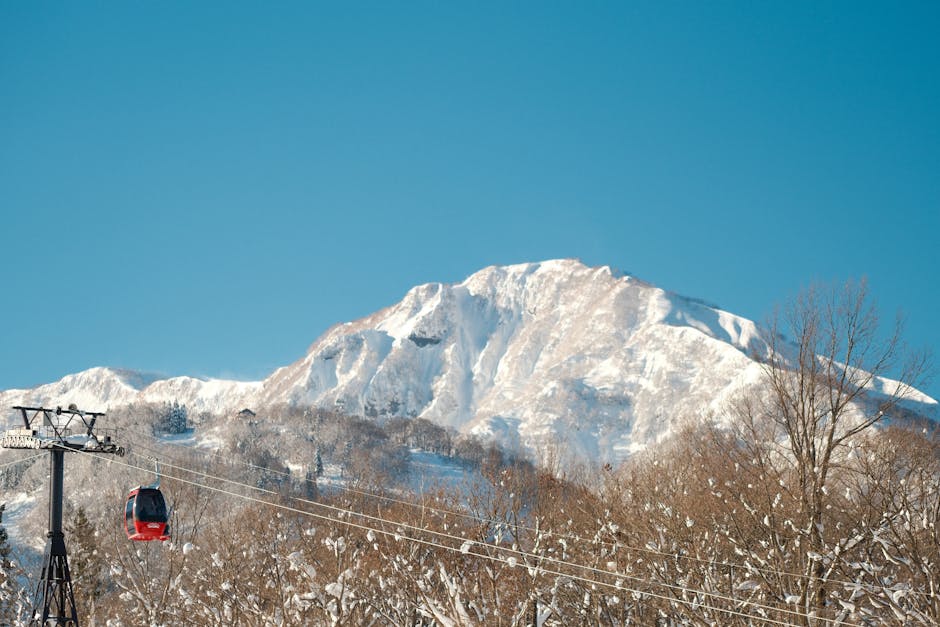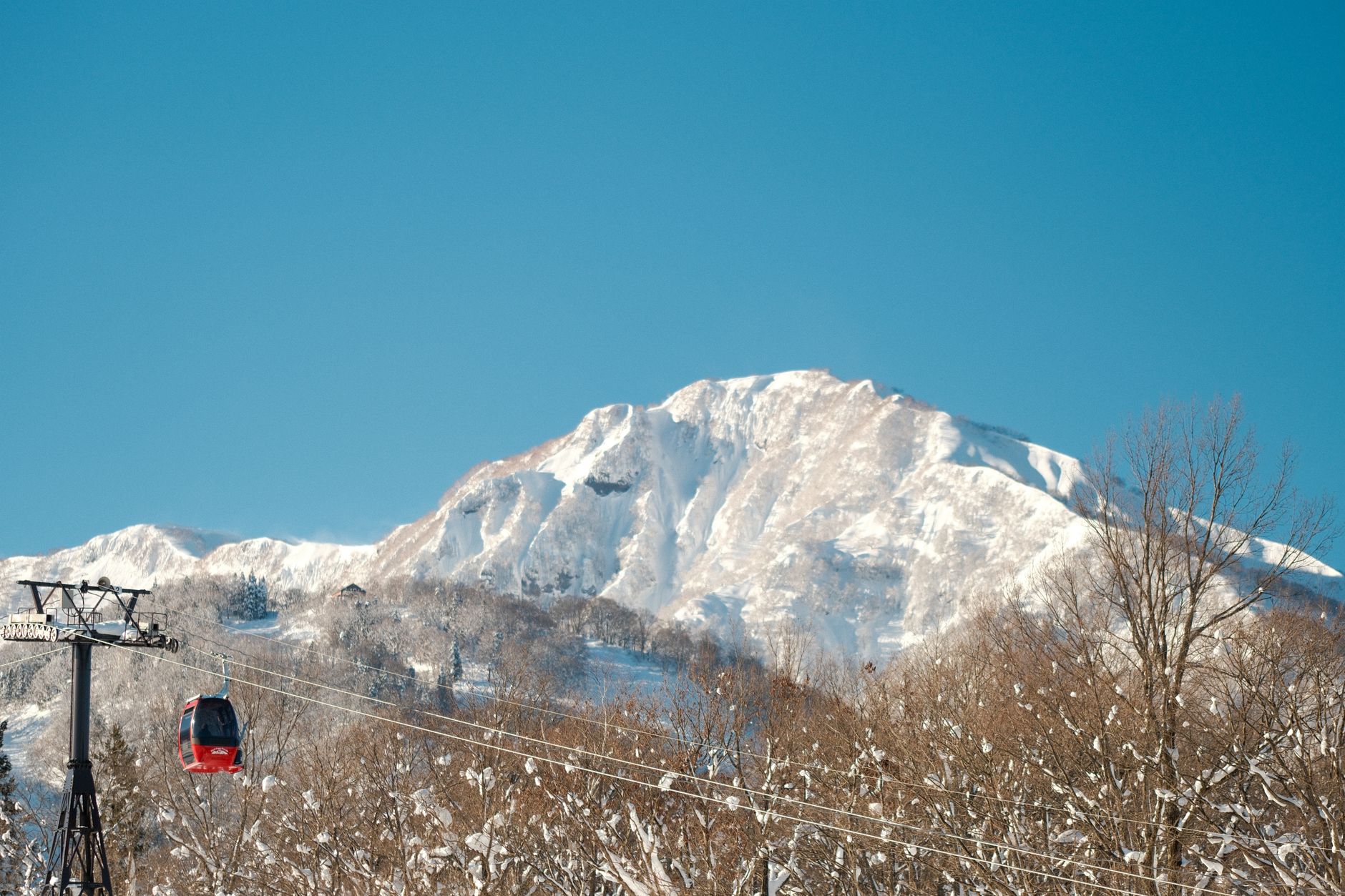
If someone told me I could only ski one resort in Japan for the rest of my life, I'd probably say Niseko out of habit. Then I'd think about it for five seconds and say Nozawa Onsen.
It's not the most famous. It doesn't have the biggest vertical or the most lifts. But it has something most resorts in Japan can't manufacture no matter how much money they throw at it: actual soul. A real village. Real powder. Real onsen culture baked into the bones of the place.
Here's everything you need to know before you go.
Where Nozawa Onsen Actually Is
Nozawa Onsen sits in Nagano Prefecture, about 90 minutes by road from Nagano city. The shinkansen gets you to Iiyama Station, then it's a short bus or taxi to the village. No car needed, which is a relief.
The resort sits above the village on the slopes of Mount Kenashi. The village itself is a proper working onsen town, not a ski resort that bolted on a hot spring as an afterthought. People have been soaking in Nozawa's waters for centuries. The ski area came later. That order of operations matters.
The Snow: Why Nozawa Gets So Much of It
Nozawa Onsen is positioned beautifully to collect Japan Sea effect snowfall. Cold, moisture-loaded air rolls off the Sea of Japan, hits the mountains of Nagano, and dumps. Nozawa's elevation and aspect catch a huge share of that.
Average snowfall sits around 10 to 11 metres per season. On a good year, you're looking at 12-plus. The snow is the classic Japow style: cold, dry, light. The kind that fills in overnight and makes you feel like a better skier than you are.
The upper mountain holds snow well into late March. The lower village runs can get heavy by mid-March, but the top stays good. Time your trip right and you're in business.
The Terrain: What's Actually There
The ski area is bigger than most people expect. 36 runs, 13 lifts, about 1,085 metres of vertical from the top of the gondola to the village. It's not Hakuba scale, but it's a solid week's skiing if you explore properly.
| Zone | Best For | Notes |
|---|---|---|
| Yamabiko Upper | Powder stashes, steep pitches | First place to check after a dump |
| Nagasaka | Intermediates, long cruising runs | Best groomed runs on the mountain |
| Paradise | Beginners, families | Gentle, wide, forgiving |
| Uenotaira | Trees, off-piste exploration | Brilliant after fresh snow |
The Yamabiko gondola is your workhorse. Get on it early. After a big snowfall, the upper runs fill in beautifully and the trees off the side of the main runs hold powder for hours longer than the open faces.
The resort is not a park destination. There's a small terrain park but nobody's coming here for rails. They're coming for powder.
The Village: This Is What Makes It Different
Here's my hot take: the village is as important as the skiing at Nozawa Onsen. Maybe more important.
The main street is narrow, pedestrian-friendly, and lined with old wooden buildings. There are 13 free public onsens dotted around the village, called soto-yu. They're run by the locals. You don't pay entry. You do follow the rules. Bring your own towel, wash before you get in, and don't be the person who ignores the etiquette. The locals will notice.
Nozawa's most famous onsen is Ogama, the big outdoor one near the bus terminal. The water comes out of the ground at around 90 degrees Celsius. It is genuinely scalding. There's a cooler section. Use it until you've acclimatised. I've seen first-timers get in the hot section and last about 45 seconds.
The food scene is excellent for a small village. Oyaki (stuffed dumplings filled with pickled vegetables or mushrooms) is the local specialty and you can grab them from little shops along the main street for a couple of hundred yen. Nozawa-na pickles, made from a local leafy green, are everywhere. The izakayas do solid food and the sake selection at most spots is better than you'd expect.
Getting There From Australia
Fly into Tokyo (Narita or Haneda). From Tokyo, take the Hokuriku Shinkansen to Iiyama. The whole trip from Shinjuku takes about 90 minutes. From Iiyama, buses run to the village in ski season. It is genuinely one of the easier resort-to-airport connections in Japan.
If you're combining Nozawa with Hakuba, the two are about 90 minutes apart by road. A lot of Aussies do a split trip: a few days in Hakuba for the scale and variety, then finish in Nozawa for the vibe. It's a ripper combination.
When to Go
Late January to mid-February is peak powder season. The snow is deep, the base is solid, and the storms are frequent. Book early because the good pensions fill up fast.
Early March is also excellent and often cheaper. Fewer crowds, still reliable snow on the upper mountain, and the village feels a bit more relaxed. If you're flexible, this is worth considering.
Avoid school holiday periods in Japan if you can. The queues at Yamabiko gondola get genuinely painful.
Where to Stay
Pensions are the heart of Nozawa's accommodation scene. Small family-run places, usually with dinner and breakfast included, run by people who've been doing it for decades. The food is home-cooked and enormous. Some of the better known ones fill up six months out for peak powder weeks.
There are a handful of larger hotels but honestly the pensions are the move. They're cheaper, more personal, and the owners usually know the mountain well. Ask them about conditions the night before. They'll tell you straight.
My Take as an Aussie Who Skis Japan Every Year
Nozawa Onsen is the resort I recommend to people who've already done Niseko and want something different. It's the resort I'd take my parents to if they wanted to understand why Japan skiing is special beyond just the powder. It's the one where the non-skiers in your group won't spend the whole trip complaining, because the village actually has stuff to do.
It's not perfect. The lift infrastructure is older than Niseko's. The English signage has improved but it's still patchy in places. Accommodation books out faster than you'd think for a resort of its size.
But the combination of genuine powder, proper vertical, a working onsen town, and free public baths? Nothing else in Japan quite stacks up on all four fronts at once. That's the honest truth.
Frequently Asked Questions
Is Nozawa Onsen suitable for beginner skiers?
Yes. The Paradise and lower Nagasaka zones have gentle, wide runs that are well-suited to beginners. There are ski schools with English-speaking instructors available. The resort isn't as beginner-heavy as somewhere like Gala Yuzawa, but there's plenty of terrain to learn on.
Do I need to speak Japanese to ski Nozawa Onsen?
You'll be fine without Japanese. Signage on the mountain is bilingual and most accommodation and restaurant staff in the tourist areas have enough English to get by. A translation app on your phone handles anything else. The locals appreciate any effort you make with basic phrases.
How does Nozawa Onsen compare to Hakuba for powder?
Both get excellent snow but the snow quality at Nozawa is often slightly drier and lighter due to its inland position. Hakuba gets more total snowfall and has far more terrain. Nozawa wins on village atmosphere and onsen culture. They're genuinely different experiences and many Aussies do both in one trip.
Are the free public onsens really free?
Yes. The 13 soto-yu around the village are free to use. Some have donation boxes and it's good form to contribute a small amount. They're maintained by the local community. Towels are not provided so bring your own small one.
What ski gear suits Nozawa Onsen conditions?
Powder skis or a wider all-mountain ski are ideal. Something in the 105 to 115mm underfoot range handles the deep days and still works fine on groomed runs. Brands like Atomic Bent, Salomon QST, and Line Sick Day are popular choices among Aussies heading to Japan. A good waterproof jacket and pants matter more than anything else given how much snow falls.