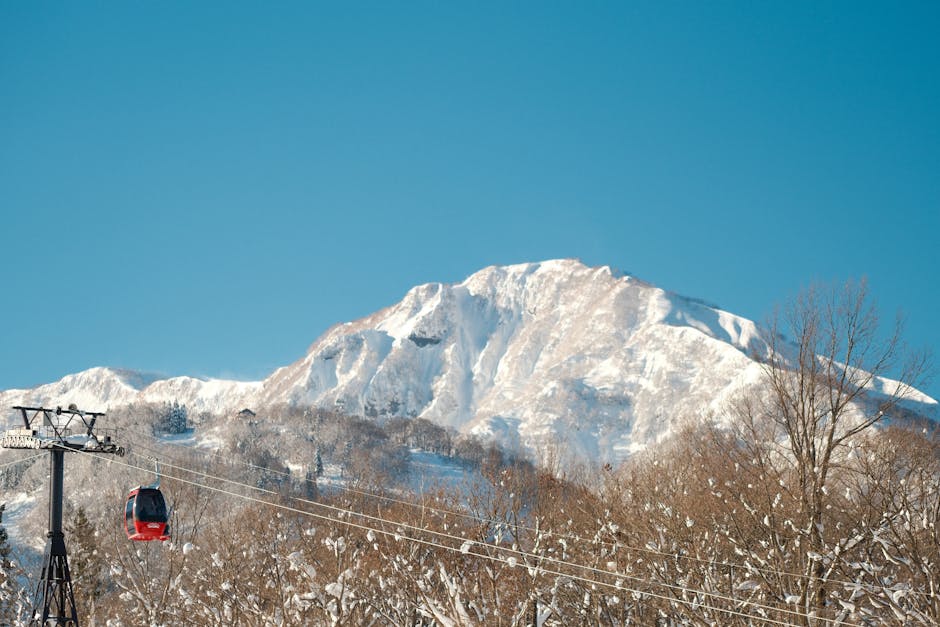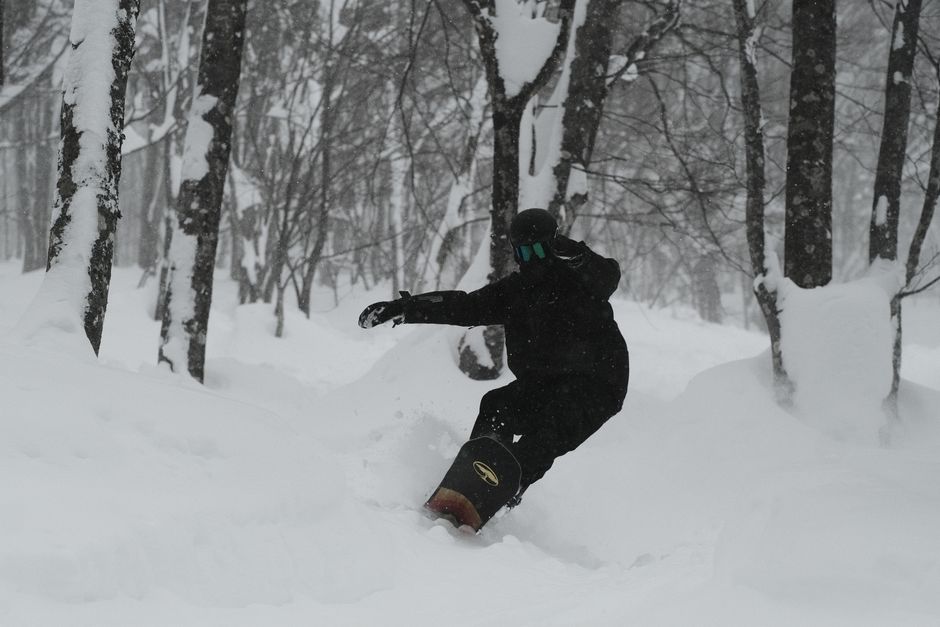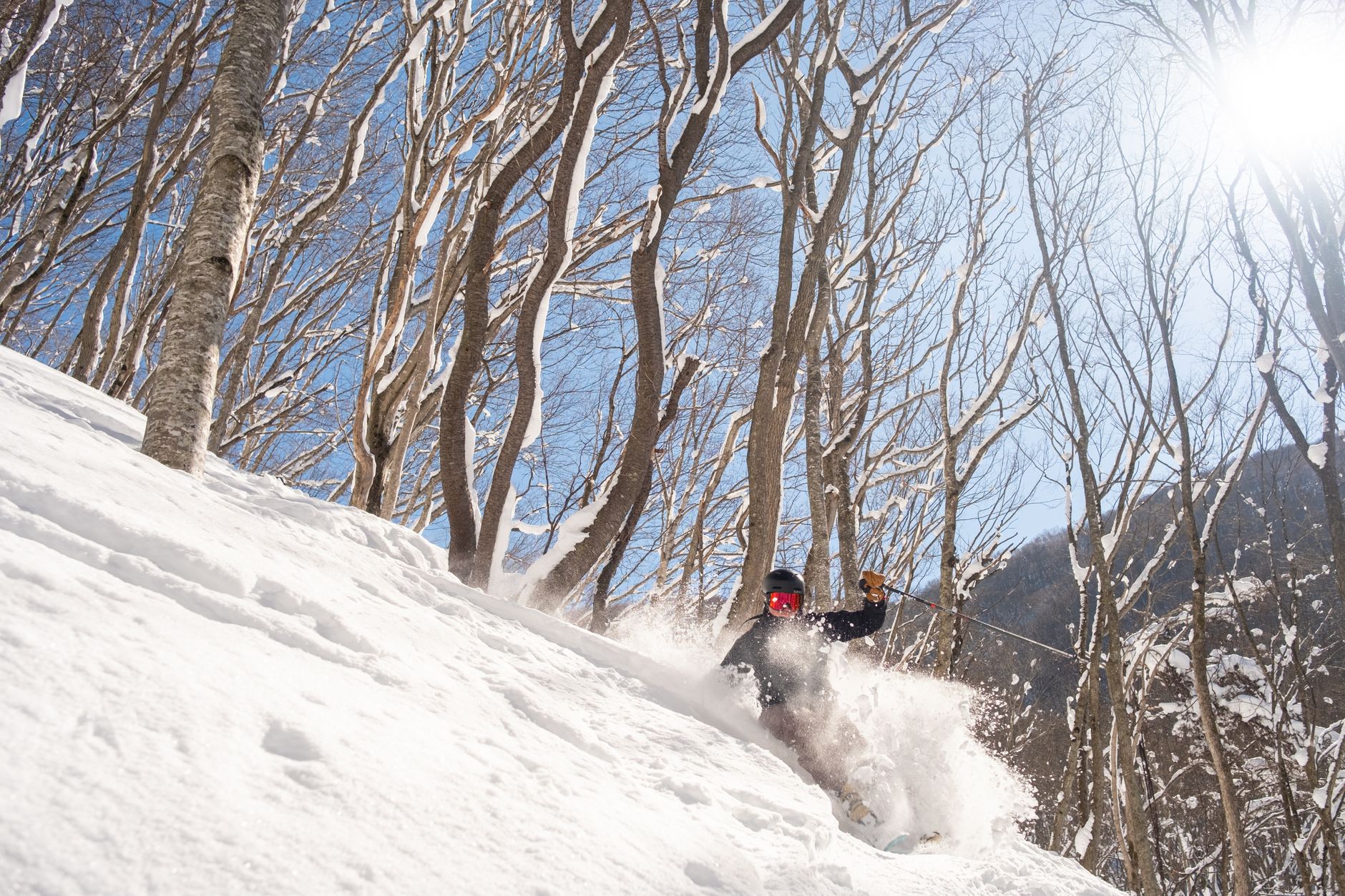
Niseko United has the most famous backcountry gate system of any resort in Japan. Probably in all of Asia. You've seen the footage. Waist-deep powder, no tracks, trees going past in slow motion. It looks unreal because it often is unreal.
But here's the thing nobody tells you before you fly 10 hours to Grand Hirafu: the gates aren't magic. They don't guarantee powder. They don't make you a better skier. And if you go through the wrong one on the wrong day without the right gear, you will have a very bad time.
This is the guide I wish someone had handed me before my first Niseko season.
What the Backcountry Gate System Actually Is
Niseko United, which covers Grand Hirafu, Hanazono, Niseko Village and Annupuri, operates a system of marked gates in the resort boundary fence. When conditions meet safety thresholds, the resort opens specific gates and skiers can legally exit the marked terrain and ski the sidecountry or backcountry beyond.
This is genuinely unusual. Most resorts in Japan, and plenty in Australia and Europe, simply prohibit going out of bounds. Niseko formalised it, which is one of the reasons it attracts serious skiers from all over the world.
The gates are numbered. Each one leads to different terrain with different character and different risk. Some pop you out onto mellow open faces. Others drop you into steep, tight trees where a fall in the wrong spot is a serious problem.
The Gate Rules You Actually Need to Know
The resort publishes daily gate status on the Niseko United website and app. Gates are either open or closed. If a gate is closed, it is closed. Full stop. Do not go through a closed gate. The patrol takes this seriously and so should you.
Beyond that, the rules are your responsibility:
- You must carry an avalanche transceiver (beacon), probe and shovel. Every person in your group. No exceptions.
- You must be able to self-rescue or rescue your partner. Knowing how to use a beacon in a shop is not the same as finding someone under two metres of debris in a real situation.
- You must re-enter the resort through a designated re-entry point. Getting cliffed out or lost and ending up in a random gully is not uncommon for first-timers.
- Conditions change fast. The face that was perfect at 9am can be wind-loaded and dangerous by noon.
The resort does not send patrol into the backcountry to rescue you as a matter of routine. If you get into trouble out there, the response takes time. Keep that in mind.
The Terrain: What's Actually Out There
Without going into a gate-by-gate breakdown (that's a whole separate article and conditions change every season), here's a rough feel for what Niseko's backcountry offers:
- Hanazono side: Some of the most accessible sidecountry in the whole resort. The terrain off Hanazono is generally more open, which makes it a good starting point for skiers who are new to the gate system but have solid off-piste skills.
- Grand Hirafu upper mountain: The gates near the top of the Hirafu gondola and King quad lead to some of the most tracked-out but also most impressive terrain. Popular for a reason. Expect company on any good powder day.
- Annupuri and Niseko Village: Quieter, less visited. The lower skier traffic on the Annupuri side means you can sometimes find untracked snow long after Hirafu has been scraped clean. Worth the traverse.
- Deep backcountry beyond the immediate sidecountry: This is a different conversation entirely. Touring into the ranges behind Niseko requires real mountaineering awareness, not just powder enthusiasm.
Who Should Actually Use the Gates
Hot take: most of the skiers I see going through the gates at Niseko have no business being out there. That's not a dig. It's just true.
You are ready for the Niseko gates if:
- You ski confidently in variable, ungroomed conditions including heavy, chopped-up snow
- You own and know how to use a beacon, probe and shovel (not borrow, own)
- You've done at least one avalanche awareness course, ideally an AST 1 or equivalent
- You're skiing with at least one other person who meets the same criteria
- You've skied the resort's in-bounds terrain and understand the mountain's layout
You are not ready if you're a solid intermediate who skis blues and easy blacks at Falls Creek and watched some Niseko reels on Instagram. Go rip the in-bounds powder first. There's plenty of it.
Gear You Need (Not Optional)
Beacon, probe, shovel. Already said it. Here's the specifics:
- Beacon: Mammut Barryvox or BCA Tracker 4 are both solid. Make sure it's switched to transmit before you go through the gate. Every time.
- Probe: 240cm minimum. Black Diamond makes reliable, affordable options.
- Shovel: Metal blade, not plastic. BCA or Ortovox. The plastic ones are fine for car camping. Not for digging someone out.
- Backpack: You need to carry the above plus water, a snack, a phone and a layer. Minimum 20 litre pack. Osprey Kamber or similar.
- Skis: Wide powder skis make a real difference in Hokkaido's light dry snow. Rossignol Soul 7, Volkl Blaze 106, K2 Mindbender 106C. Something with float.
My Take as an Aussie Who Skis Japan Every Year
The Niseko gate system is one of the best things about skiing in Japan. The fact that a resort formalised backcountry access rather than just banning it shows real respect for skiers who know what they're doing.
But I've also watched people go through gates in jeans with no pack, no beacon and no idea where they're going. That's not brave. That's a burden on everyone around you.
My honest advice: if it's your first trip to Niseko, spend at least two full days skiing in-bounds before you think about the gates. Get a feel for how the mountain works, where the re-entry points are, and what the snow conditions are like that week. Then, if the gates are open and you've got the gear and a partner who knows what they're doing, go for it. It's genuinely one of the best skiing experiences on earth.
If you're not sure you're ready, hire a guide. Niseko has excellent guiding operations and a day with someone who knows every gate, every line and every re-entry point is worth every yen.
Frequently Asked Questions
Do I need a special pass to use the Niseko backcountry gates?
No separate pass is required. A standard lift pass covers your access to the gates. The gear requirement is your responsibility, not the resort's.
How do I know which gates are open on a given day?
Check the Niseko United website or app each morning. Gate status is updated daily based on avalanche risk and conditions. Don't assume yesterday's status carries over.
Can I hire a guide for the Niseko backcountry?
Yes, and it's a genuinely good idea for first-timers. Niseko has several reputable guiding outfits operating out of Hirafu village. A guided day will show you lines and re-entry points that would take multiple solo trips to figure out.
Is the Niseko backcountry suitable for snowboarders?
Yes, with one caveat. Some of the re-entry traverses are flat or slightly uphill, which can be awkward on a board. Know the re-entry route before you drop in so you don't end up unstrapping and hiking.
What time of season are the gates most reliably open?
January and February are your best bet. Snowpack is deepest, avalanche conditions are more predictable (though never risk-free), and the quality of snow in the backcountry is at its peak. Early December and late March can be hit or miss depending on the season.