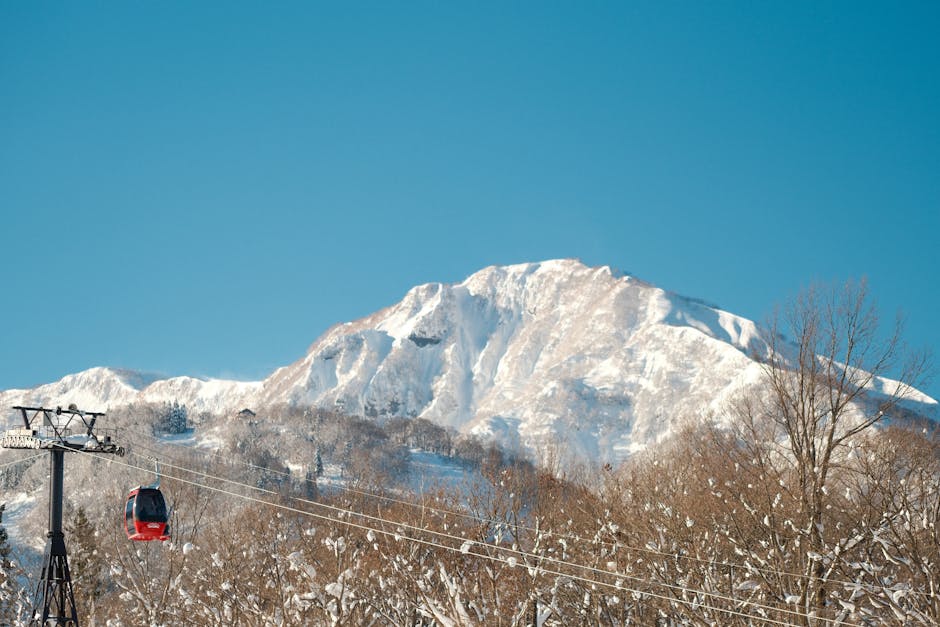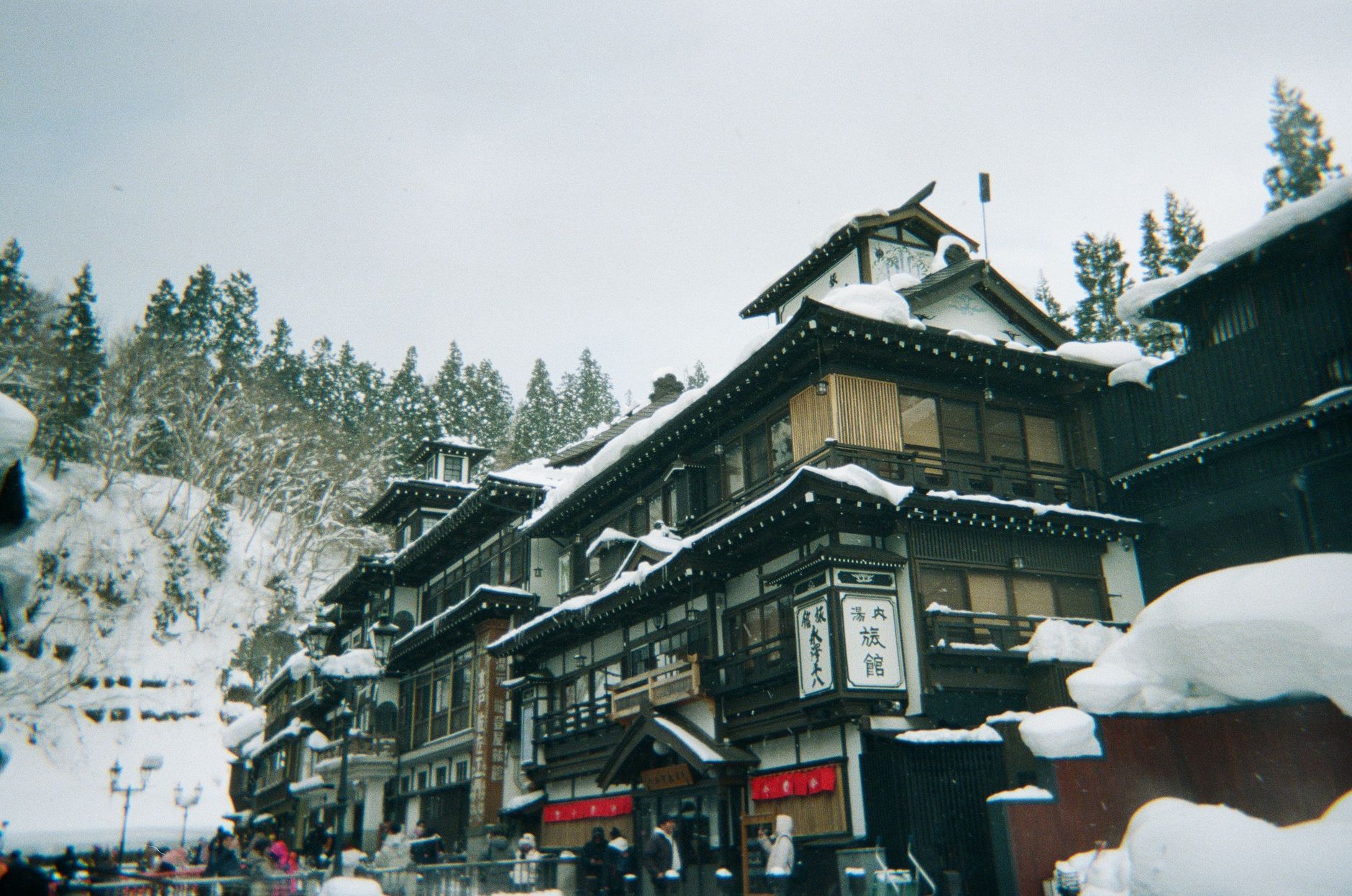
After a full day of thigh-deep powder at Furano or a long run down Happo-One, there is nothing on this planet better than sliding into a steaming outdoor rotenburo and staring at snow-covered pines while your legs slowly stop aching. Onsen bathing is genuinely one of the best things about skiing Japan. But if you walk in there without knowing the basics, you will have a bad time and so will everyone else in the bath.
This guide covers everything you need to know. No fluff, no embarrassment.
What an Onsen Actually Is (and Why It's Different to a Regular Bath)
An onsen is a natural hot spring fed by geothermal water. The minerals in the water vary by location. Nozawa Onsen's public baths have a different feel to the baths at Niseko's Yukoro or the rotenburo at Kiroro's hotel. Some are sodium-heavy and silky. Some are sulphuric and smell like eggs. Some leave your skin feeling like you've been moisturised from the inside out.
Onsen culture in Japan is centuries old and taken seriously. It is not a novelty. It is not a tourist attraction. It is a daily ritual for a lot of Japanese people. Respect that and you'll be fine.
The Rules That Actually Matter
There are a few non-negotiables. Break these and you will get asked to leave, or at minimum get very hard stares from everyone in the bath.
- Shower first. Always. Every onsen has a row of shower stations with a stool, a handheld shower, shampoo and body wash. Sit down, wash your entire body thoroughly, rinse completely. Then get in the bath. This is not optional.
- No swimwear. Public onsen are nude. That's just how it works. Men's and women's baths are always separate. If you see a mixed-gender onsen (konyoku), it is usually covered by a small towel or specific rules apply. Check before you strip.
- No large towel in the water. You can bring a small modesty towel to walk between the showers and the bath, but it does not go in the water. Fold it on your head or leave it on the edge.
- No tattoos at most places. This one catches a lot of Aussies off guard. Many onsen still ban tattoos. It is a historical association with organised crime and it has not fully shifted yet. Some resorts in Niseko and Hakuba now have tattoo-friendly baths or private baths you can book. Check before you go. Kiroro's hotel onsen has a private bath option. Nozawa's public sotoyu (outside baths) are managed by the local community and are generally strict.
- No phones or cameras. Zero exceptions. Do not be that person.
- Keep your voice down. Not a library, but it is not a pub either. Quiet conversation is fine. Shouting across the bath is not.
- Do not drain the water with your towel. Sounds obvious but wringing your towel into the bath is a no.
The Onsen Routine, Step by Step
Here's exactly what to do so you walk in confident.
- Take off your shoes at the entrance and put them in the locker provided.
- Pay at the front desk if it's a public bath. Most resort hotel onsens are included in your stay.
- Go to the change room, strip completely, put your clothes in a basket or locker.
- Take your small towel to the shower area.
- Sit at a shower station. Wash your hair, face, and body. Rinse everything off properly.
- Walk to the bath. Lower yourself in slowly. The water is hot, usually 40 to 44 degrees Celsius.
- Soak for 10 to 20 minutes. Get out, cool down, get back in if you want. Drink water between sessions.
- Pat dry before going back to the change room. Do not drip water everywhere.
Indoor Bath vs Outdoor Rotenburo
Most onsen facilities have both. The indoor bath (uchifuro) is warmer and more sheltered. The outdoor rotenburo is the one you've seen in every Japan ski photo ever taken. Snow on the rocks, steam rising, pine trees. It is as good as it looks.
In ski resort towns, the rotenburo is the move. Nozawa Onsen's Ogama is a cooking spring right in the village centre (not for bathing, too hot, but worth seeing). The actual bathing sotoyu are free and scattered through town. Oyu and Ogama are the most famous. Furano has the Furano Natulux Hotel onsen which is excellent. In Niseko, Yukoro at the Green Leaf Niseko Village is a ripper rotenburo with views of the mountain. Kiroro's hotel has a quiet indoor bath that is almost always empty mid-week.
Private Baths Are Worth Knowing About
If you have tattoos, are travelling with a partner, or just want the experience without the crowd, book a kashikiri buro. That's a private onsen room you rent by the hour. Most resort hotels offer them. Niseko's larger hotels all have them. Hoshino Resorts Tomamu has excellent private baths. They cost a bit extra but for a couple after a big powder day, it is completely worth it.
My Take as an Aussie Who Skis Japan Every Year
The first time I walked into a public onsen in Nozawa I was absolutely bricking it. Didn't know what to do with the towel, sat at the wrong shower station, nearly got in the bath with conditioner still in my hair. The older bloke next to me just quietly pointed at my head and mimed rinsing. No drama. Japanese people are generally patient with tourists who are clearly trying to do the right thing.
The key is to go slowly, watch what others do for the first 30 seconds, and don't rush. Once you've done it once you'll be doing it every single day of your trip. It becomes the best part of the whole experience. Legs are wrecked from Happo-One's Skyline run, you're in a 42-degree pool watching snow fall on the mountains outside. Honestly. Nothing touches it.
Hot take: if you're staying in Niseko and only using the hotel bath, you're missing it. Get yourself to Nozawa or Myoko for at least part of your trip and use the actual public baths. That's the real thing.
Frequently Asked Questions
Can I wear a swimsuit in a Japanese onsen?
At a traditional public onsen, no. Swimwear is not allowed. The baths are separated by gender and everyone goes in without clothing. Some modern water parks or mixed facilities allow swimwear but those are not traditional onsen.
What do I do if I have a tattoo?
Check with the specific facility before you go. Many resort hotels in Niseko, Hakuba, and Hokkaido now offer private baths (kashikiri buro) that you can book regardless of tattoos. Some facilities have relaxed their policies. Do not assume and do not try to hide a tattoo. Just ask at the front desk.
How long should I stay in the onsen?
10 to 20 minutes per soak is plenty. The water is very hot and it is easy to overheat, especially after a big day of skiing when you're already dehydrated. Get out, cool down, drink water, then get back in if you want. Do not go straight from the slopes into the bath without rehydrating first.
Are the free public baths in Nozawa actually free?
Yes. The 13 sotoyu (outside baths) in Nozawa Onsen village are managed by the local community and are free to use. There is a small donation box at most of them. Drop in a few hundred yen. It goes toward maintenance and it is the right thing to do.
Is it weird to go to an onsen alone as a solo traveller?
Not at all. Solo bathing is completely normal. Nobody will think twice about it. Just follow the etiquette, keep to yourself, and enjoy it. Some of the best onsen sessions I've had have been alone at 7am before the mountain opens.