Furano is not Niseko. That is exactly why you should go there.
While half of Australia is crammed into a gondola queue at Grand Hirafu, Furano sits two hours south of Asahikawa doing its own thing. Quiet. Steep. Dry. Absolutely loaded with snow. It is the resort that serious skiers in Japan talk about in hushed tones, and it has been that way for decades.
This is the full honest guide. No fluff, no sponsored rubbish. Just what you actually need to know before you book.
Where Furano Actually Is
Furano is in central Hokkaido, roughly in the geographic middle of the island. The nearest city is Asahikawa, about 55 kilometres north. Sapporo is around 130 kilometres south. You can get there by train from both cities on the JR Furano Line, though the schedule is not exactly frequent, so check it before you commit to a timetable.
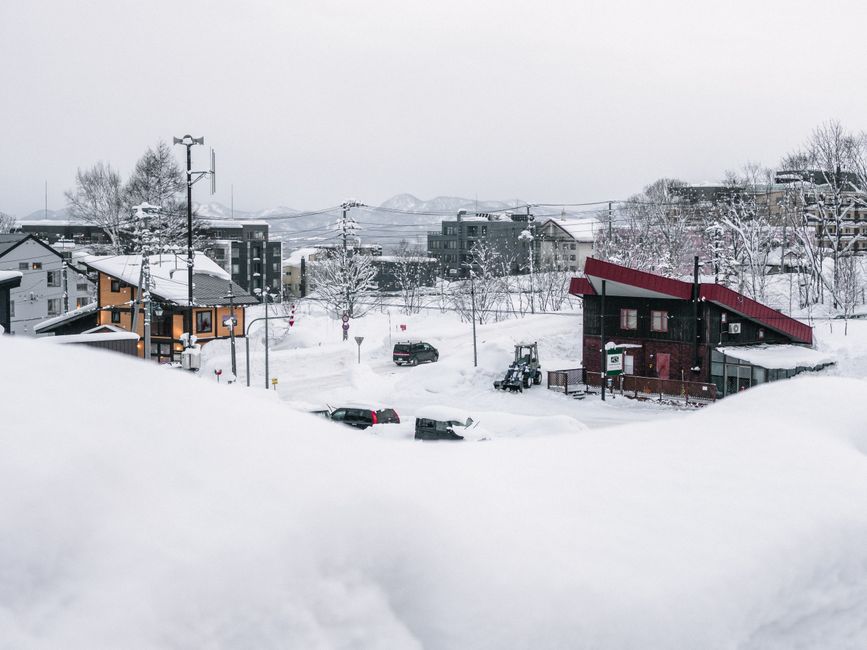
The town of Furano itself is a proper working agricultural town, famous for lavender fields in summer. In winter it flips into ski mode, but it never loses that local, lived-in feel. There are no English-language party strips here. That is a feature, not a bug.
The Mountain: What You Are Actually Getting
Furano ski resort is split into two connected zones: Furano Zone and Kitanomine Zone. You can ski between them easily. Combined, you are looking at 28 runs, 23 lifts, and a vertical drop of around 940 metres from the top of Kitanomine. That vertical is the real deal.
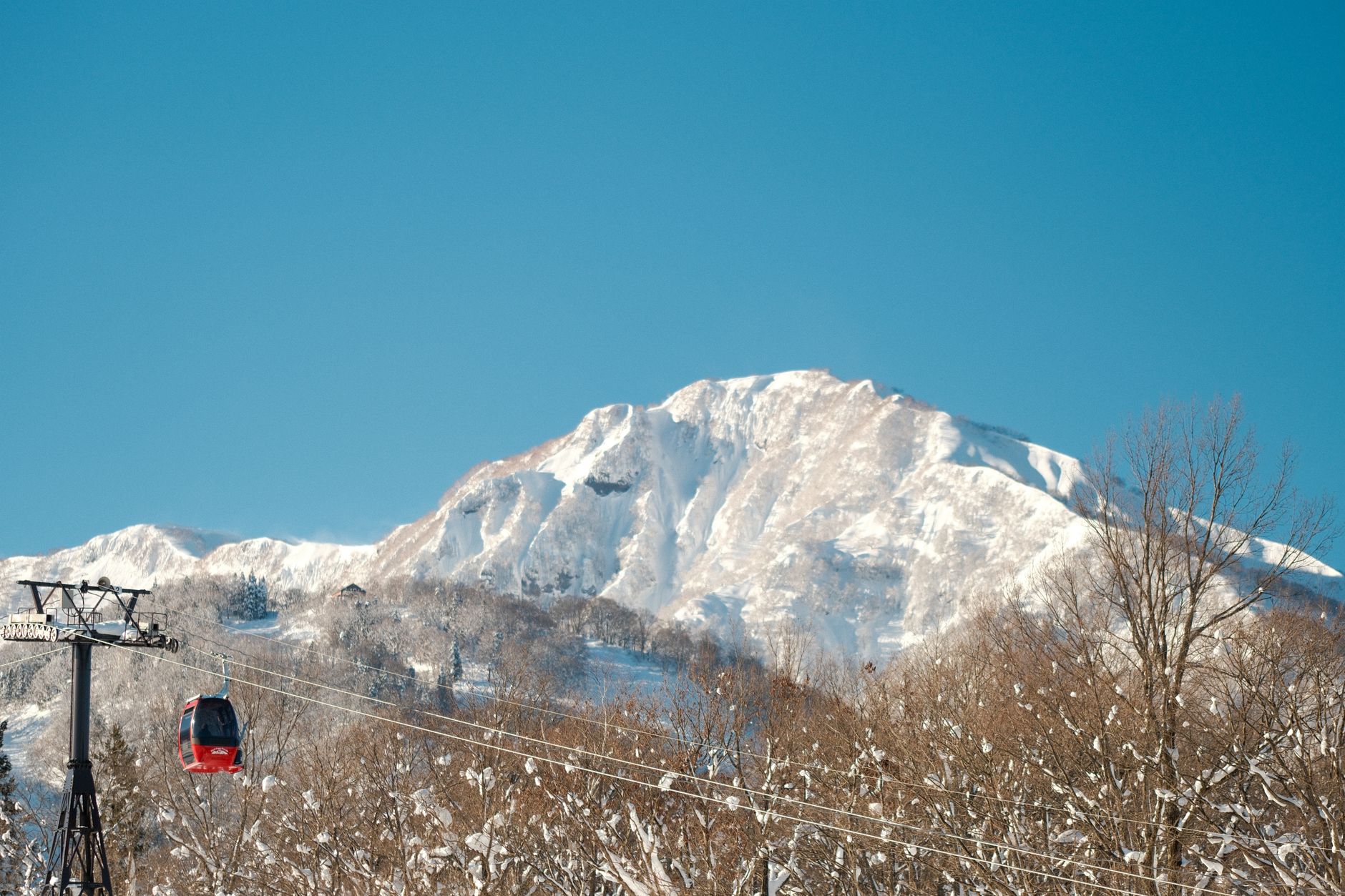
The pitch is genuinely satisfying. There are long groomed cruisers for days when your legs are cooked, and there are proper steep faces and tight tree lines for when you want to push it. The Kitanomine side is where most of the interesting terrain sits. The top section above the gondola gets serious, and on a powder day the open faces there are as good as anything in Japan.
Snow quality at Furano is exceptional, even by Hokkaido standards. The resort sits in a bowl that catches cold continental air off the Sea of Japan before it has had time to warm up or dump its moisture elsewhere. The result is light, dry powder that stacks deep and stays cold. On a good year, base depths at the top can hit two metres plus by late January.
Furano vs Niseko: The Honest Comparison
| Factor | Furano | Niseko United |
|---|---|---|
| Crowd level | Low to moderate | Very high in peak weeks |
| Powder day queues | Minimal | Significant at Grand Hirafu |
| English signage | Limited but improving | Extensive |
| Vertical drop | 940m (Kitanomine) | 900m (Hirafu) |
| Tree skiing | Good, less tracked out | Excellent but popular |
| Après scene | Low key, local | Full on, international |
| Price level | Mid range | Premium and rising |
| Onsen access | Good (Furano town) | Good (Niseko town, Kutchan) |
Hot take: if you are chasing Instagram content and a party, go to Niseko. If you are chasing skiing, go to Furano. Both are valid. Just be honest with yourself about which one you actually want.
Where to Stay in Furano
You have three real options and they each suit a different kind of trip.
- Ski-in ski-out at the resort: The New Furano Prince Hotel sits right at the base of Furano Zone. It is comfortable, convenient, and has an onsen. It is also the priciest option and it books out early for peak weeks.
- Furano town (10 to 15 minutes from the mountain): This is where the local restaurants, izakayas, and smaller guesthouses are. You will need a taxi or shuttle to get to the lifts, but the trade-off is better food, lower prices, and a more authentic feel.
- Kitanomine base area: A handful of pensions and small lodges sit at the base of the Kitanomine Zone. Good for skiers who want to be close to the better terrain. Quieter than the Prince Hotel side.
My honest pick for most Aussie skiers is Furano town with a shuttle pass. The savings are real and the town is genuinely good.
The Best Runs at Furano
Here is where to spend your time, in order of priority on a powder day.
- Kitanomine top section (above the gondola): The open faces here are your first stop after a big overnight dump. They get tracked out by afternoon, so be up early.
- Princes Course: A long, winding groomer that is a genuine pleasure to link turns on. Not where you go for powder, but a brilliant run for getting your rhythm.
- The tree lines off Kitanomine: Not officially marked on the trail map, but accessible and worth exploring carefully. Stick with someone who knows the area on your first lap.
- Furano Zone lower runs: Great for beginners and for late afternoon when your legs are toast. Wide, gentle, well-groomed.
Getting There from Australia
The standard route from Melbourne or Sydney is fly into New Chitose Airport (Sapporo), then connect to Furano by train or bus. The JR Limited Express Furano-Lavender Express runs seasonally, but in winter you are more likely to use the regular JR Furano Line via Takikawa or Asahikawa. Total travel time from New Chitose is around three hours by train.
Alternatively, hire a car from Sapporo. The drive is around two hours and gives you flexibility to stop at Tomamu or Asahidake on the way. Roads are well-maintained and cleared, but you need winter tyres. Rental cars in Hokkaido always come fitted with them in winter, so that part is sorted automatically.
What to Eat in Furano
Furano town has a genuinely good food scene for a small ski town. The local speciality is Furano curry, which sounds boring until you eat it and then you understand. There are also excellent ramen shops, a handful of izakayas doing proper yakitori and local Hokkaido produce, and a cheese factory nearby that does tastings (yes, really, and yes it is worth it).
On the mountain, the base lodges are fine. Standard Japanese ski food, which means curry rice, ramen, katsu curry, and udon. Nothing fancy but it hits the spot at 1pm after a morning in the powder.
My Take as an Aussie Who Skis Japan Every Year
I have done Niseko more times than I can count and I love it, but Furano scratches a completely different itch. The skiing is just as good, the snow is arguably better, and I have never once stood in a queue there that made me want to quit skiing entirely. That has happened to me at Grand Hirafu on a powder day.
Furano suits skiers who prioritise actual skiing over the social scene. It is not boring, it is just focused. The town is warm, the locals are friendly, and the mountain delivers every single time the weather cooperates. For a first Japan trip, Niseko is the safe choice. For your second or third trip, go to Furano and thank me later.
Frequently Asked Questions
Is Furano good for beginners?
Yes, genuinely. The Furano Zone lower runs are wide, gentle, and well-groomed. There is a solid ski school with some English-speaking instructors. Beginners will have a great time, especially because the resort is not overwhelming in size.
How does Furano compare to Kiroro for powder?
Both get excellent snow. Kiroro is more sheltered and often gets slightly higher snowfall totals. Furano has more terrain variety and a better town scene. If powder is your only metric, it is close. If you want a full trip experience, Furano wins.
When is the best time to ski Furano?
Late January through mid-February is the sweet spot. Snowpack is deep, temperatures are cold enough to keep the powder dry, and the resort is operating at full capacity. Early January can be good but is less reliable. March is warmer and the snow gets heavier.
Do I need to speak Japanese to ski Furano?
No, but it helps to have a translation app handy. English signage on the mountain is limited compared to Niseko. Most lift staff and ski patrol will not speak much English, but they are helpful and patient. Google Translate with the camera function is your best mate here.
Can I day trip to Furano from Sapporo?
Technically yes, but it is a long day. You are looking at roughly two and a half to three hours each way by train or car. You would get maybe four to five hours of actual skiing. It is doable if you are passing through Hokkaido and want a taste, but Furano really rewards a multi-day stay.