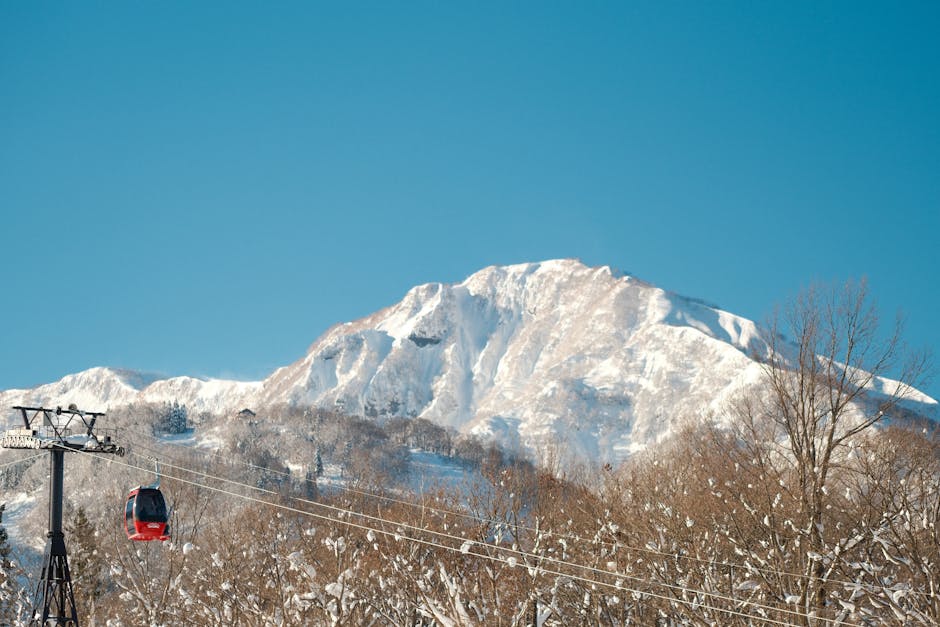
Niseko gets all the attention. Rusutsu gets the overflow crowd. But Furano? Furano just quietly sits in the middle of Hokkaido, getting absolutely buried in some of the best snow on the island, with half the crowds and half the price tag.
If you've already done Niseko once or twice and you're wondering where to go next, the answer is probably Furano. And if you haven't been to Japan yet and you want a resort that feels genuinely Japanese rather than an Aussie ski village with Japanese signage, Furano is worth serious consideration.
Here's everything you need to know before you go.
Where Furano Actually Is
Furano is in central Hokkaido, about two hours by JR train from Sapporo. The town sits in a wide valley surrounded by the Tokachi mountain range, and it's the kind of place that feels like a real Japanese community rather than a resort town built around skiers. People live here year-round. There are proper supermarkets, local izakayas, and a functioning town centre that doesn't disappear when ski season ends.
The nearest airport is New Chitose (CTS) in Sapporo, which is where most Australians fly into via connections through Tokyo. From New Chitose, you can get a direct express train to Furano via the Furano Line, or take a coach transfer. The train takes roughly two hours and costs around 3,000 yen. Transfers are available through a few operators and run to about 6,000 to 8,000 yen per person depending on your accommodation.
The Mountain: What You're Actually Getting
Furano Ski Area is split into two zones: Furano Zone and Kitanomine Zone. They're connected via a short traverse and between them you've got 26 runs, about 900 metres of vertical, and a peak elevation of 1,075 metres.
On paper that doesn't sound massive. In practice it skis bigger than it looks on the map, especially when the powder is deep and you're lapping the trees off the upper lifts.
A quick breakdown of what's on offer:
- Furano Zone - the main base area, better beginner and intermediate terrain, more facilities, warmer vibe
- Kitanomine Zone - where the locals and the powder hunters go, steeper pitches, better tree skiing, quieter on weekdays
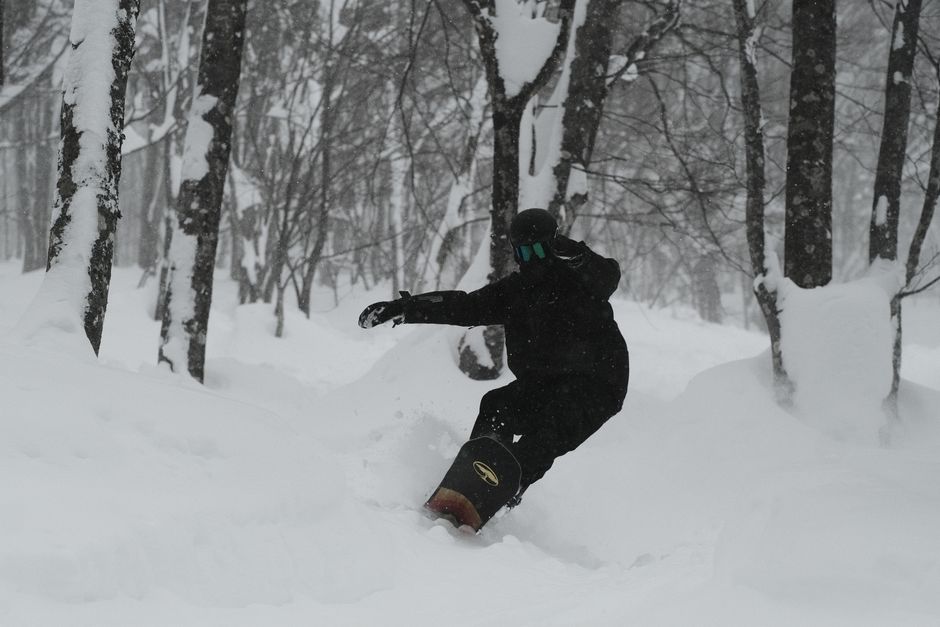
- The trees off Kitanomine - not officially marked on most maps but an open secret, some of the best sidecountry in Hokkaido when conditions are right
- Panorama Course - long groomer that wraps around the mountain, great for intermediate skiers who want to cover ground
- Kitanomine Top Course - short but punchy, usually first to get tracked out on a powder day
The ski area is operated by Furano Ski Area Co., Ltd. (a Tokyu Group company), which means the facilities are well maintained and the lift infrastructure is solid. No ancient rattletraps here.
The Snow: Is It Actually as Good as Niseko?
Hot take: on the right day, Furano's snow is better than Niseko's.
Furano sits further inland than Niseko, which means it misses some of the coastal moisture that can make Niseko's snow slightly heavier during certain storm cycles. When a cold, dry continental system rolls through from Siberia and dumps on central Hokkaido, the snow at Furano is absolutely ridiculous. Dry, light, bottomless. The kind of powder that makes you question every other ski destination you've ever visited.
Average annual snowfall is around 8 to 9 metres. The season typically runs from late November through to late March, with peak powder conditions in January and February.
The honest caveat: Furano's lower elevation means rain events that hit the coastal resorts can occasionally reach here as sleet. It's rare, but it happens. Check the forecast before you book your travel days.
The Town: Why Furano Actually Wins on Atmosphere
This is where Furano separates itself from the pack. The town of Furano is a proper working Japanese community. You're not going to find a strip of Australian-run bars and English-language menus everywhere you look. You're going to find tiny ramen shops where the owner has been making the same broth for 30 years, izakayas that seat eight people, and onsen facilities that are used by locals who have no idea what après-ski means.
Furano is famous in Japan for lavender (summer tourism) and cheese and wine production. The local dairy scene is genuinely excellent. There's a Furano cheese factory and a winery within a short drive. On a rest day, this stuff is worth your time.
For food, the must-visits are the ramen spots along the main street (Furano ramen tends to be soy-based and hearty), the local curry houses, and the kaiten-zushi spots in town. Furano beef is also a thing. Order it wherever you see it.
Accommodation Options
Furano has a decent range of places to stay, from ski-in ski-out hotels right at the base to guesthouses and pensions in town. Here's a rough breakdown:
- New Furano Prince Hotel - the big resort hotel right at the base of Furano Zone, ski-in ski-out, pricey but convenient, has a decent onsen facility
- Kitanomine area pensions - small family-run guesthouses, usually include dinner and breakfast, genuinely excellent value, often run by locals who will tell you exactly where to ski the next morning
- Furano town guesthouses - cheapest option, requires a short bus or taxi ride to the slopes, but you get the full local town experience
- Ningle Terrace area - a cluster of small shops and cafes near the Prince Hotel, some accommodation nearby, good middle ground
Getting Around Without a Car
Furano is one of the more manageable Japanese ski resorts without a rental car. The town has a local bus service that runs between the train station, the town centre, and the ski area base. It's not frequent, but it works. Most pensions will arrange pickups from the station and shuttle you to the slopes.
If you're planning to explore the surrounding area or visit places like Biei (a beautiful agricultural town about 30 minutes north), a rental car makes life easier. But for the ski trip itself, you can get by without one.
My Take as an Aussie Who Skis Japan Every Year
Furano is the resort I recommend to people who ask me where to go after Niseko. It's not as big, it's not as internationally famous, and the English signage is patchier. But it feels more like Japan. The snow is world-class. The town is genuine. The crowds are manageable even on weekends.
The one thing that holds Furano back for some Aussies is the lack of a big après-ski scene. If you want to party until 2am in a bar full of people from Melbourne, go to Hirafu. If you want to ski hard, eat incredible food, soak in an onsen, and go to bed at a reasonable hour so you can do it again tomorrow, Furano is your place.
I've had some of the best powder days of my life at Furano. I'll keep going back.
Frequently Asked Questions
Is Furano good for beginners?
Yes, actually. The Furano Zone base area has gentle, well-groomed runs that are perfect for learning. There are ski schools with English-speaking instructors, and the terrain is forgiving. It's not the most beginner-focused resort in Japan, but it works fine for first-timers.
How does Furano compare to Niseko for powder?
Both get exceptional snow. Niseko's marketing machine has made it the default answer for Japan powder, but Furano's inland position means it often gets drier, lighter snow. On the right storm, Furano is as good as it gets anywhere in the world. The main difference is crowd levels. Furano is significantly quieter.
When is the best time to ski Furano?
Mid-January to mid-February is peak powder season. January tends to be the coldest and driest. Late February and March bring slightly warmer temperatures and longer daylight hours, which can make for great spring-style skiing on the groomers. Avoid the Christmas and New Year period if you want to dodge the crowds.
Do I need to speak Japanese to ski Furano?
Not really. The ski area has English signage on the main runs and the resort hotels have English-speaking staff. In town, some restaurants are Japanese-only, but pointing at menu items works fine and most locals are patient and helpful. A basic translation app on your phone covers the gaps.
Is Furano worth it as a standalone destination or should I combine it with other resorts?
Furano works well as a standalone trip for 5 to 7 days. If you want to combine it with other Hokkaido resorts, Tomamu is about 90 minutes away by car and Kiroro or Niseko are accessible with a bit of travel. A popular option is to spend a few days in Niseko and then take the train to Furano for the second half of the trip. You get the best of both worlds.