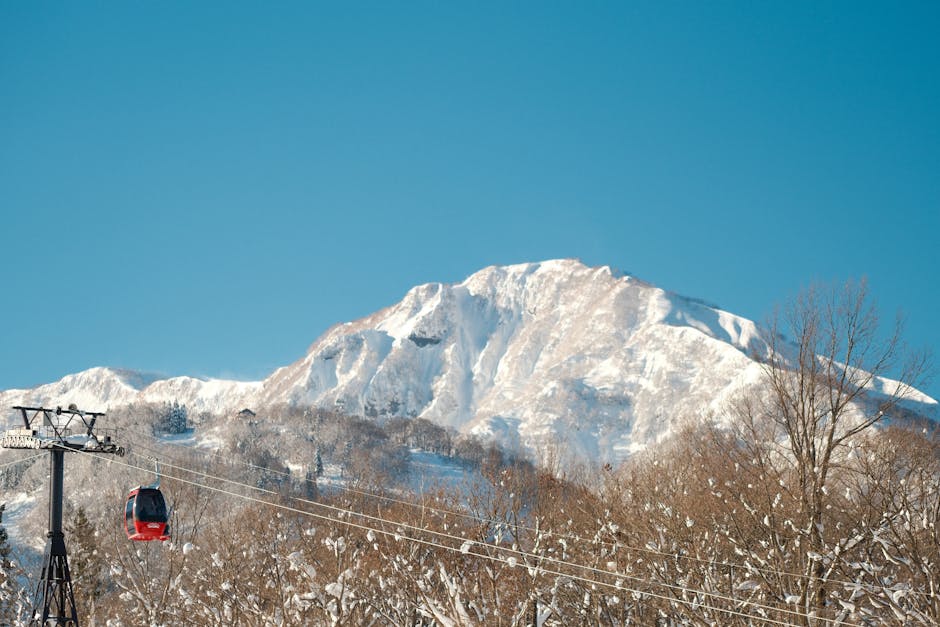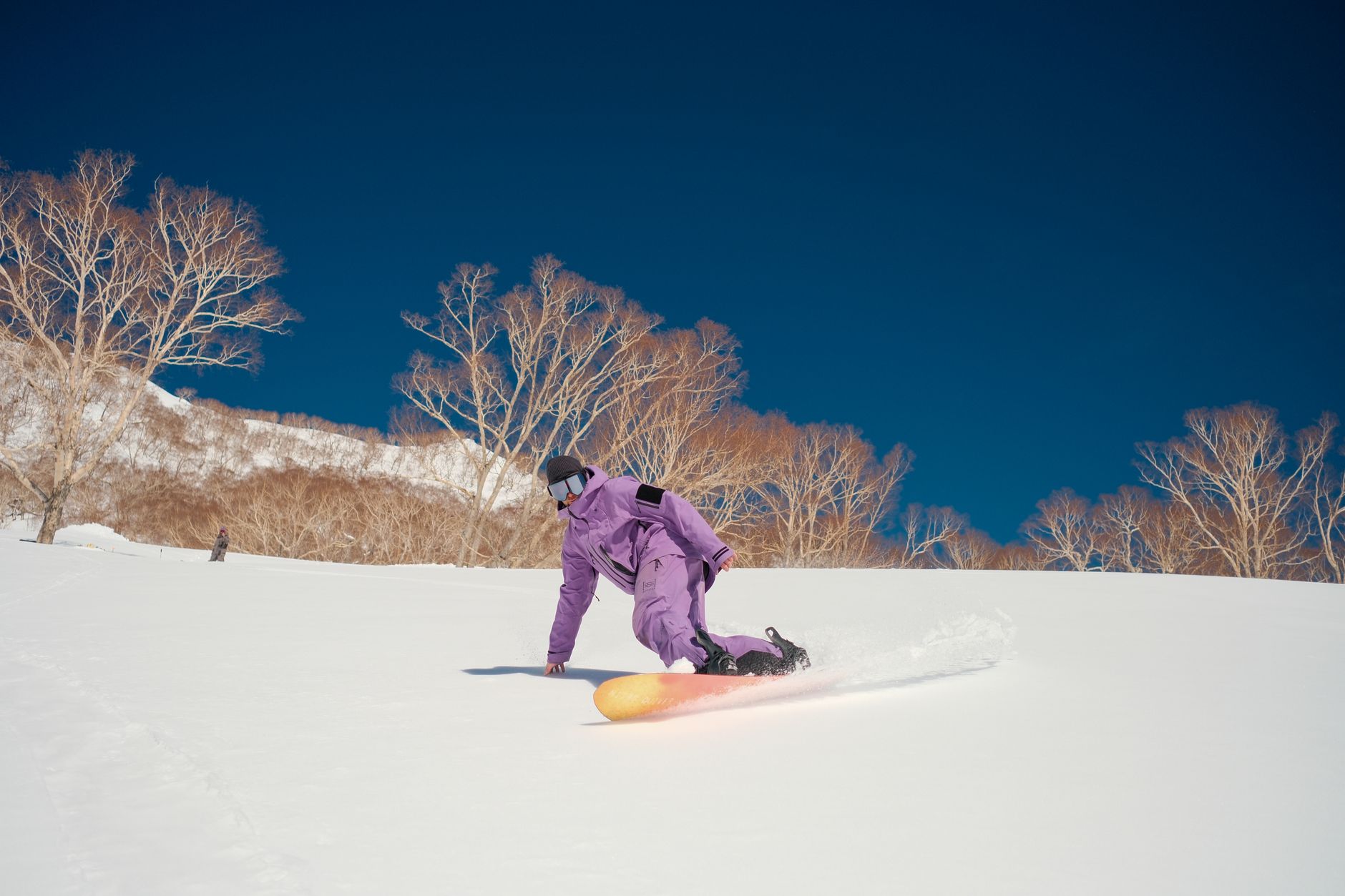
Hakuba Valley is the closest thing Japan has to a proper mega-resort. Ten separate ski areas, all within about 20 kilometres of each other, sharing a single lift pass. If you only ski Japan once, there's a reasonable argument that Hakuba is where you should go. But it's also a place that rewards planning, because getting it wrong can mean queuing at the wrong mountain on the wrong day while the good stuff gets tracked out without you.
I've been coming to Hakuba for years. Here's what I actually know.
The Lay of the Land: 10 Resorts, One Valley
The Hakuba Valley Lift Ticket covers all 10 resorts. They are not all equal. Here's a quick rundown so you can figure out where to spend your days.
- Happo-One: The flagship. Biggest vertical in the valley (1,071m), best groomed runs, the most challenging terrain. The Rimu and Usagi courses are genuinely excellent. Happo is also the most crowded, especially on weekends.
- Hakuba 47 and Goryu: These two are linked and share a base area. Great intermediate terrain, good tree runs, and noticeably quieter than Happo. Hakuba 47's freestyle park is worth a look if that's your thing.
- Cortina: The powder hound's resort. No snowboarders allowed (yes, really). Famously deep, famously ungroomed, famously gets tracked out fast. If it dumps overnight, be at Cortina's gondola before it opens. Not negotiable.
- Tsugaike Kogen: Big, underrated, and often overlooked. Excellent beginner and intermediate terrain, good tree skiing off the back, and usually far quieter than Happo. One of my personal favourites.
- Iwatake: Compact but fun. Great views of the valley. Better for a half-day than a full day, but the snow quality is usually solid.
- Kashimayari: Small, quiet, mostly beginner terrain. Good if you're travelling with kids or someone just starting out.
- Norikura: At the far northern end of the valley. Low altitude means snow quality can be variable, but on a good day the tree runs are genuinely excellent and you'll likely have them to yourself.
- Hakuba Sanosaka and Hakuba Misorano: Small local hills. Fine for a mellow day but not a reason to fly to Japan.
When to Go: Timing Matters More Than You Think
Hakuba sits in Nagano Prefecture on the Sea of Japan side of the Japanese Alps. Snow comes in from the north-west, hits the mountains, and dumps. A lot. Average annual snowfall at Happo-One is around 11 metres. But timing still matters.
- Late December: Base is building. Can be brilliant, can be thin. Risky for early bookers.
- January: Prime time. Cold, deep, consistent. Book this if you can.
- Early February: Still excellent. Japanese school holidays mid-February bring crowds, so factor that in.
- Late February to early March: Still good snow, slightly warmer, often less crowded than peak January. My personal sweet spot for value.
- March onwards: Spring conditions creeping in. Still fun, but you're chasing it. Good for a budget trip if you manage expectations.
Where to Stay: Hakuba Town vs Echoland vs Wadano
Hakuba is not one village, it's a string of small neighbourhoods spread along the valley. Where you stay changes your daily experience significantly.
- Happo area (near Happo-One base): Best for skiers targeting Happo and Goryu. Lots of accommodation options, ski-in convenience, lively after dark.
- Echoland: The social hub. Most of the bars, restaurants, and foreign-run pensions are here. A short bus ride to most resorts. Good balance of convenience and atmosphere.
- Wadano: Quieter, more traditional, closer to Cortina. Good choice if powder is your priority.
- Cortina area (Otari village): Right at the base of Cortina. Handful of pensions and small hotels. Perfect if you're here for deep snow and nothing else.
The free Hakuba Valley shuttle bus connects most of these areas and runs to all the resort bases. It's genuinely useful. Download the timetable before you arrive.
The Lift Pass: Is the Valley Pass Worth It?
Short answer: yes, if you're staying more than 3 days. The Hakuba Valley Lift Ticket gives you access to all 10 resorts and pays for itself quickly once you start bouncing between mountains.
If you're only there for 2 days and you know you want to ski Happo, just buy the Happo-One day passes. Don't overthink it.
One thing worth knowing: Cortina is included in the valley pass but runs its own gondola ticket on busy days. Check the current season's setup before you arrive because it changes.
The Runs You Actually Want to Ski
Every resort has its hero runs. Here are mine.
- Happo-One, Rimu Course: Long, wide, perfectly pitched. Best groomer in the valley on a clear morning.
- Happo-One, Kurobishi: The steep face under the Kurobishi quad. Not for beginners. Brilliant on a powder day.
- Cortina, anywhere off the gondola after a dump: Just point your skis into the trees and go. Genuinely life-changing powder.
- Tsugaike, back bowls: Take the top lifts and drop into the back. Quiet, consistent, excellent.
- Goryu, Tree Run course: Exactly what it sounds like. Tight trees, good pitch, usually has snow long after everywhere else is tracked.
Getting There From Australia
Fly into Tokyo (Haneda or Narita) or Nagoya. From Tokyo, the fastest option is the Hakuba Express bus direct from Shinjuku, which takes about 4.5 hours and costs around 5,000 yen each way. Comfortable, reliable, no transfers. Book it in advance during peak season.
Alternatively, take the Shinkansen to Nagano (about 90 minutes from Tokyo) and then a local bus to Hakuba (about 60 minutes). Slightly more faff but a good option if you have a JR Pass.
Driving is also possible if you're comfortable with Japanese roads and winter conditions. Studded tyres or chains are mandatory. Rental cars with snow tyres are widely available at Nagano Station.
My Take as an Aussie Who Skis Japan Every Year
Hakuba is the right answer for most Australian skiers visiting Japan for the first time. It's big enough that you won't run out of terrain, international enough that the language barrier is minimal, and the snow quality in January and February is as good as anywhere on earth.
Hot take: Tsugaike is criminally underrated. Most people spend their entire trip at Happo and miss it entirely. If you're there for a week, give Tsugaike a full day. You can thank me later.
The other thing I'll say: don't skip Cortina just because you've heard it's hard to get to or because the no-snowboard rule seems weird. If you're a skier and it dumps the night before, Cortina is the only place you should be. Full stop.
Frequently Asked Questions
Is Hakuba better than Niseko?
Different, not better or worse. Niseko gets more consistent snowfall and is more internationally developed. Hakuba has more terrain variety, bigger vertical, and (in my opinion) a more interesting valley to explore. If you want one resort done perfectly, Niseko. If you want a proper ski holiday with options, Hakuba.
Do I need to speak Japanese to ski Hakuba?
No. Hakuba has the highest concentration of English-speaking staff and foreign-run businesses of any resort in Japan outside Niseko. Signage at most resorts is in English. You'll be fine.
What ski gear should I bring for Hakuba?
Powder skis are worth it. If you own a pair of Salomon QSTs, Blizzard Rustlers, or similar, bring them. Rentals at Hakuba are good quality but powder-specific skis make a real difference when it dumps. Layering is more important than a single heavy jacket. Merino base layer (Icebreaker or similar), mid layer, waterproof shell. Goggles with a low-light lens for the flat-light days that happen regularly.
Can beginners ski Hakuba?
Absolutely. Kashimayari, Iwatake, and the lower sections of Goryu and Tsugaike are excellent for beginners. Hakuba also has a strong ski school culture with English-speaking instructors. It's not the easiest place to learn because the snow is deep and soft rather than firm and groomed, but most beginners actually love it once they get used to it.
When should I book accommodation for Hakuba?
For January, book at least 4 to 6 months out. The good pensions and ski-in places sell out fast, especially for the peak January weeks. February is slightly more forgiving but still worth booking early. March you can often find last-minute deals.