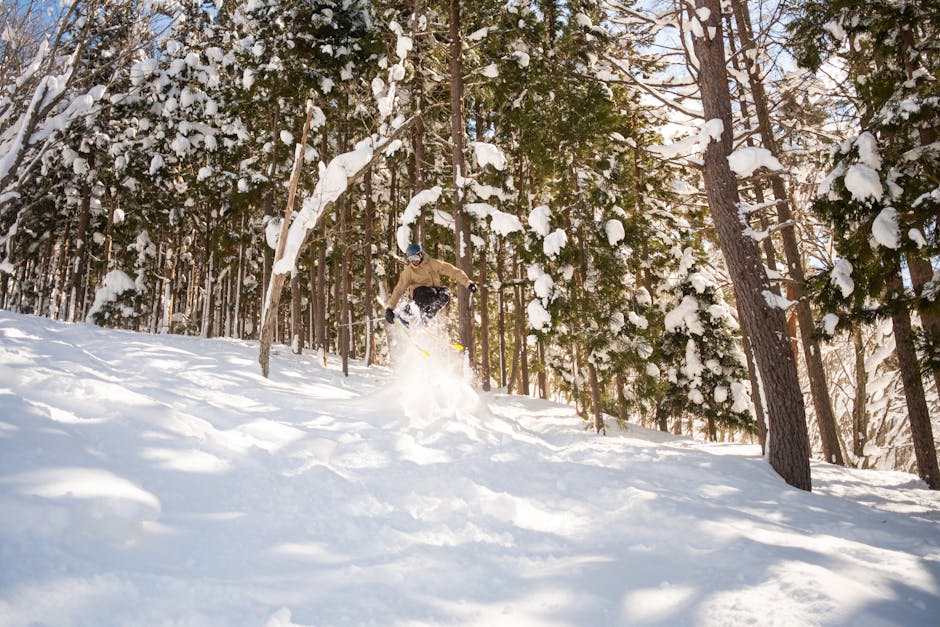
Everyone asks the same question. When should I go? And most of the answers online are vague, hedging nonsense written by someone who has never actually stood at the top of Happo-One in a whiteout wondering if they packed enough base layers.
So here's the real answer, from someone who's done all three months across Hokkaido and Honshu: February is the sweet spot for most people, January is for powder chasers, and March is criminally underrated if you know where to go. Now let's get into the detail.
What's Actually Happening to the Snow Across the Season
Japan gets its snow from cold, dry air masses rolling off Siberia and picking up moisture over the Japan Sea. By the time that air hits the mountains, it dumps. Light, dry, low-density powder. The stuff Australians fly 12 hours to ski.
The pattern is roughly this:
- Early December: Patchy. Some resorts open, bases are thin, conditions are inconsistent. Fine if you're chasing cheap lift tickets and don't mind variable snow.
- Late December to mid-January: Snowfall ramps up hard. Hokkaido gets hammered first. This is when the big dumps start.
- Late January to mid-February: Peak season. Deepest snowpack. Most consistent powder frequency. Also the busiest and most expensive time to visit.
- Late February to March: Snow is still excellent, especially at altitude. Temperatures start to moderate slightly. Crowds thin. Prices drop. Days get longer.
- April onwards: Spring skiing. Mostly groomed runs, some corn snow, and a few specialist spots like Gassan and Tateyama that run into May or even June.
January: The Powder Hunter's Month
If your entire trip is built around chasing deep, untracked powder, January is your month. Full stop.
Hokkaido in January is genuinely unreal. Niseko can get 15 to 20 metres of snow across a full season, and January is when the frequency of big dumps is highest. Furano is less crowded and just as good, often better. Kiroro barely gets talked about but it sits in a natural snow trap and gets buried regularly.
The catch? January in Japan is cold. Properly cold. Niseko regularly hits minus 15 Celsius on the mountain. If you're not dressed properly, you will be miserable. Layering matters here. Merino base layers (Icebreaker or Smartwool), a solid mid-layer, and a waterproof shell that can handle sustained snowfall. Don't underestimate it.
The other catch is Chinese New Year. Depending on the year, it can fall anywhere from late January to mid-February, and when it does, Niseko in particular gets absolutely swamped. Do your research before you book. If CNY lines up with your January trip, consider Furano, Rusutsu or Kiroro instead of Grand Hirafu. Seriously. The crowds at Hirafu during CNY are not what you came to Japan for.
February: The Sweet Spot for Most Skiers
February is the month I'd recommend to most people, most of the time. The snowpack is deep and well-consolidated, meaning the powder days are excellent but the groomers are also brilliant. You're not relying entirely on fresh snow to have a good time.
Honshu really comes into its own in February. Hakuba Valley, Nozawa Onsen, Myoko Kogen, Shiga Kogen. All of them are firing. The Nagano and Niigata mountains get consistent snowfall through February and the snowpack is typically at its deepest around late February.
Temperature-wise, February is still cold but not brutal. You'll be comfortable on the hill in normal ski kit. Evenings in Nozawa Onsen village or Hakuba are genuinely lovely, especially with a soak in a free public onsen thrown in.
The downside is price. February is peak season. Accommodation in Niseko and Hakuba is expensive. Flights from Melbourne or Sydney fill up fast. If you're booking February, do it early. Like, six to eight months early if you want the good stuff.
March: The Secret Weapon
Here's my hot take: March is the best month for intermediate skiers and anyone who wants value. I'll die on this hill.
By early March, the snowpack is enormous. There's been three months of accumulation. The days are longer, the light is better for photos, and the temperatures are slightly warmer, which means you can actually feel your face at the end of the day. Powder days still happen, they're just less frequent. What you get instead are long, smooth groomers and incredible visibility.
Crowds drop off noticeably after mid-February. Prices follow. You can find accommodation in Hakuba or Nozawa for significantly less than January or February rates, and the lift queues are shorter.
For advanced skiers chasing off-piste, March can still deliver. Hakuba's backcountry is massive and the snowpack is stable by this point. The sidecountry off Cortina and Tsugaike is brilliant in March. Shiga Kogen's sheer size means you can find untracked snow well into the month if you're willing to hike a bit.
The one caveat: don't go to Hokkaido in late March expecting Japow. The low-elevation resorts start to feel spring-like and the powder days drop off. If you're going in March, stick to higher-altitude Honshu or go early in the month for Hokkaido.
Quick Comparison: January vs February vs March
| Factor | January | February | March |
|---|---|---|---|
| Powder frequency | Excellent | Very good | Good (early) / Moderate (late) |
| Snowpack depth | Building | Peak | Maximum |
| Crowds | High (CNY risk) | Very high | Moderate to low |
| Prices | High | Peak | Better value |
| Temperature | Very cold | Cold | Manageable |
| Best for | Powder chasers | Most skiers | Intermediates, value seekers |
My Take as an Aussie Who Skis Japan Every Year
I've done January trips to Furano that were absolutely next-level. I've done February weeks in Hakuba that were flawless. And I've done late-February into early-March trips to Nozawa Onsen that were the most relaxed, best-value skiing I've ever had in Japan.
The honest truth is that the difference between a good January trip and a good February trip is smaller than the internet makes it seem. What matters more is picking the right resort for the conditions, being flexible enough to chase the forecast, and not getting locked into one mountain for a whole week when the snow is clearly better 40 minutes down the road.
If you're coming from Melbourne or Sydney and you've only got one shot at Japan this season, book February. If you can be flexible and you're comfortable booking shorter lead times, watch the forecasts in late January and pull the trigger when a big storm cycle is incoming. If you want a relaxed, affordable trip with brilliant skiing and no lift queue stress, March in Hakuba or Nozawa is genuinely hard to beat.
Frequently Asked Questions
What month gets the most snowfall in Japan ski resorts?
January typically sees the highest frequency of big snowfall events, especially in Hokkaido. However, the total snowpack is often deepest in late February to early March after months of accumulation.
Is February too crowded to enjoy skiing in Japan?
It depends on where you go. Niseko and Hakuba get very busy in February, particularly during Chinese New Year. Resorts like Furano, Nozawa Onsen, Myoko Kogen and Kiroro are far more manageable and still have excellent snow.
Can I still get powder in March?
Yes, especially in early March and at higher-altitude resorts. Hakuba, Shiga Kogen and Nozawa Onsen all see powder days into March. Late March in Hokkaido is less reliable at lower elevations.
When should I book flights from Australia for a Japan ski trip?
For January or February, book at least six months out, ideally more. For March, you have slightly more flexibility but popular accommodation in Hakuba and Nozawa still fills up. Don't leave it to the last minute and expect a good deal.
Is there any skiing in Japan outside of January to March?
Yes. A handful of resorts run into April, and specialist spring skiing spots like Gassan in Yamagata and Tateyama Kurobe in Toyama stay open into May or even June for touring and lift-served spring skiing. It's a different experience but genuinely worth it for the right person.