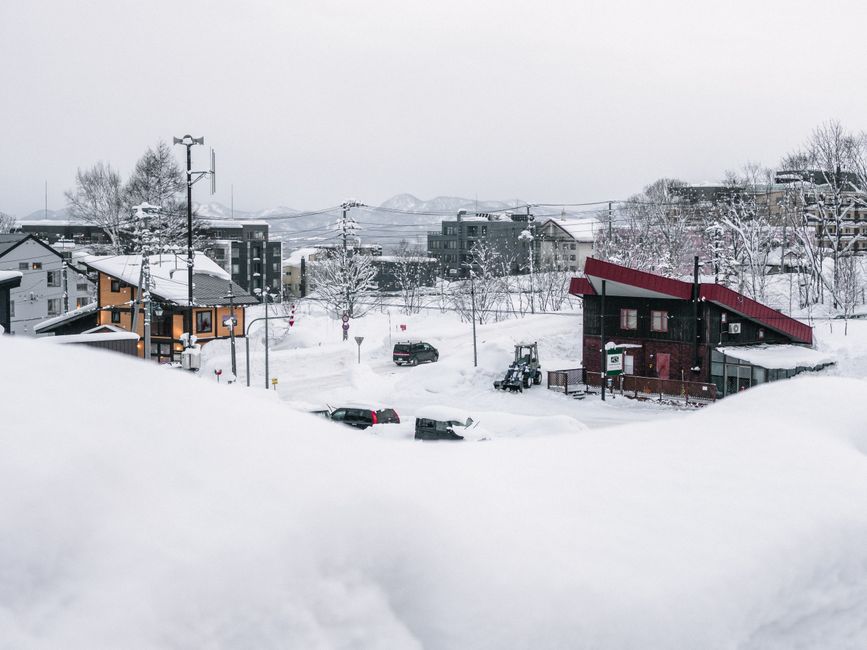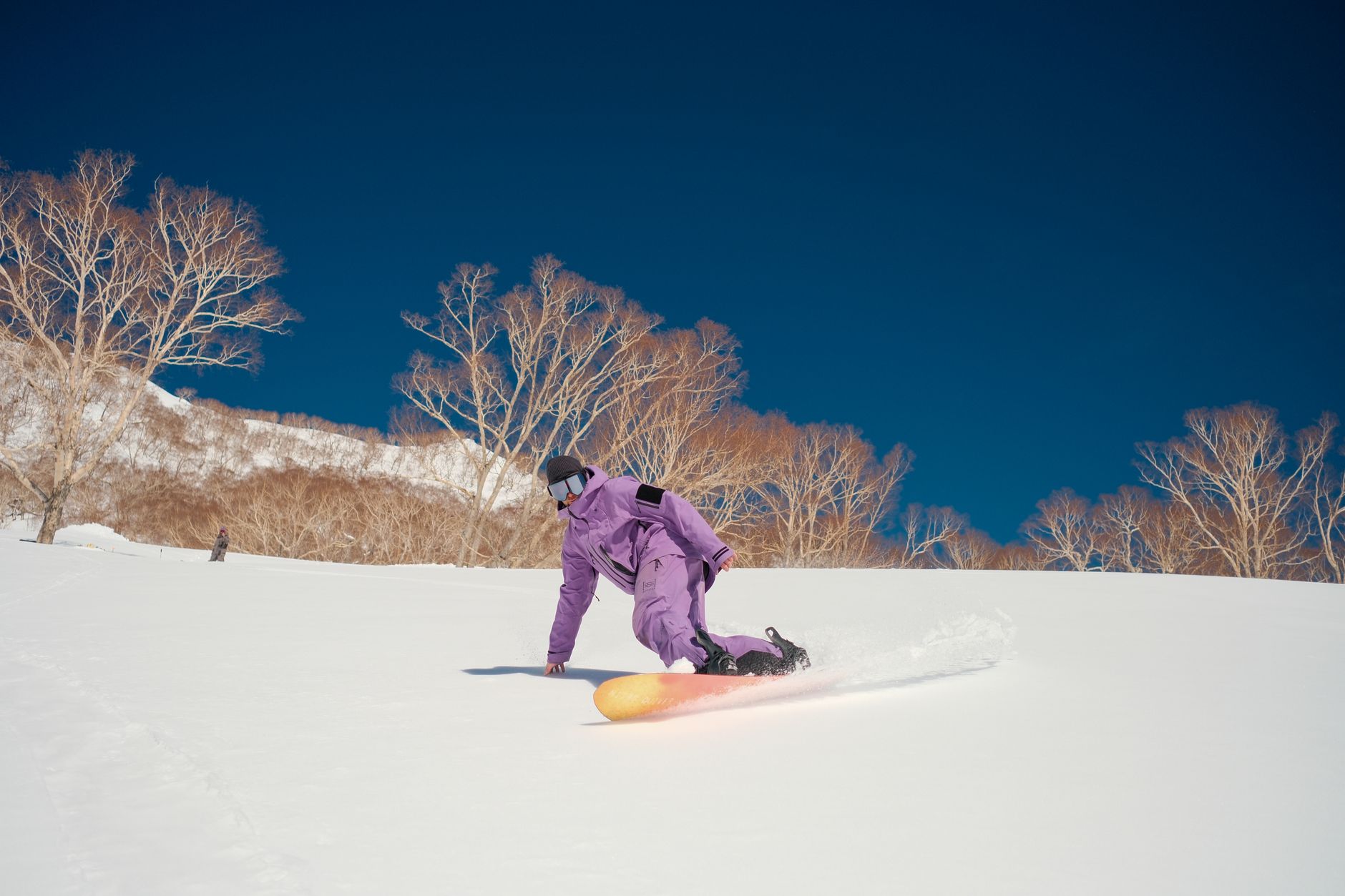
Kiroro gets more snow than Niseko. Let that sink in for a second. While half of Australia is elbowing each other for powder at Grand Hirafu, Kiroro sits about 60 kilometres away getting absolutely hammered by Japan Sea snowfall and barely anyone notices.
That's the thing about Kiroro. It's not a secret exactly, but it's not overrun either. And in a country where the best powder spots fill up fast, that gap matters a lot.
Where Kiroro Actually Is
Kiroro is in the Akaigawa valley, about 60km from Sapporo and around 80km from Niseko. You're looking at roughly 90 minutes by road from New Chitose Airport. There's no bullet train stop. No shinkansen romance. Just a winding mountain road that delivers you to one of the snowiest ski resorts in Japan.
The village sits at 720m elevation and the top of the mountain is 1180m. That doesn't sound dramatic compared to the Alps, but the terrain here punches well above its height because the snow is so light and deep that even gentle angles become proper powder runs.
The Snow Situation
Kiroro's annual snowfall sits around 18 to 20 metres. Some years it pushes past that. The resort is positioned to catch the full force of the Japan Sea effect, which means it accumulates fast and often. January and February are the money months. You can get 30 to 50cm overnight storms that leave the whole mountain looking like someone tipped a bathtub of icing sugar over it.
The cold temperatures here keep the snow dry longer than most places in Hokkaido. Niseko gets famous powder but it also gets wind and coastal moisture that can turn things heavy by mid-morning. Kiroro sits more sheltered and the snow quality holds better through the day. That's not just marketing talk. You feel it in your legs.
The Terrain Breakdown
Kiroro has two main areas: Mont Blanc and Asari. They're connected by lifts and between them you get 21 runs covering around 35km of marked terrain.
- Mont Blanc: The main face. Wide open groomed runs in the morning and then the trees start calling. The Panorama run gives you a proper top-to-bottom descent with great views when it clears.
- Asari: Slightly more sheltered, excellent for powder stashes. The Asari Course trees are where you want to be on a big dump day. Less tracked, longer to get there, worth every second.
- Sidecountry: Kiroro has some excellent sidecountry access for those with the right skills and gear. Hire a guide. Seriously. The terrain beyond the ropes is phenomenal but the consequences of getting it wrong are real.
The marked runs are mostly intermediate. Advanced skiers will find the groomed stuff done in a morning, but the tree skiing and sidecountry is what keeps people coming back year after year.
Kiroro vs Niseko: The Honest Comparison
| Factor | Kiroro | Niseko United |
|---|---|---|
| Annual snowfall | 18-20m+ | 15-17m |
| Crowd levels | Low to moderate | High to very high |
| Terrain variety | Moderate | Large |
| Village atmosphere | Quiet, resort-based | Buzzy, international |
| English signage | Good | Excellent |
| Après-ski options | Limited | Extensive |
| Lift ticket price | More affordable | Premium |
| Access from airport | 90 min | 2.5 to 3 hours |
Niseko is bigger. Niseko has more bars, more restaurants, more runs. But Niseko also has more people, more tracked-out powder by 10am, and prices that make your eyes water. Kiroro gives you something increasingly rare in Japan ski country: space.
Where to Stay at Kiroro
Kiroro has slopeside accommodation through the Kiroro Resort hotels. The Tower and the Grand are both ski-in, ski-out and perfectly comfortable. Neither is going to win a design award but you're not here for the lobby, you're here for the snow.
If you want a ryokan experience, Akaigawa village at the base of the mountain has a couple of options. Small, traditional, excellent food. It adds a bit of road time each morning but some people prefer the local feel over the resort bubble.
Day tripping from Sapporo is also very doable. A lot of Japanese skiers do exactly that. The road is well maintained and the drive is genuinely scenic.
Getting There Without a Car
This is the one genuine pain point. Kiroro doesn't have the same shuttle infrastructure as Niseko. There are buses from Otaru station (about 40 minutes) and some seasonal direct services from Sapporo and New Chitose Airport. Check the Kiroro Resort website for the current season's timetable because it changes.
If you're a group of three or more, a taxi or private transfer from Sapporo often works out close to the same price as the bus per person and saves a lot of messing around. Worth doing the maths before you book.
Food and Après at Kiroro
Look, the après scene is not going to blow your hair back. There's a handful of restaurants in the resort, a bar or two, and that's about it. The food is good, proper Japanese ski food: curry rice, ramen, katsu, the usual lineup. But if you need a buzzing nightlife scene after skiing, Kiroro isn't your spot.
The flip side is that the quiet suits a certain kind of trip perfectly. Early nights, early mornings, first tracks. That rhythm is genuinely restorative and Kiroro enables it without distraction.
My Take as an Aussie Who Skis Japan Every Year
I've done Niseko more times than I can count and I love it. But I've started building Kiroro into every second or third Japan trip as a deliberate counterweight. Two or three nights at Kiroro, especially in January, can give you the best powder skiing of your entire trip even if you're also doing Niseko or Furano.
The snow quality is genuinely exceptional. The crowds are manageable. And there's something satisfying about skiing a resort that hasn't been completely figured out by the international ski machine yet. Get there before that changes, because it will.
Frequently Asked Questions
Is Kiroro suitable for beginners?
Yes, there are gentle runs and the resort has a ski school. The snow conditions are forgiving for learners. That said, if you're a complete first-timer, Niseko has more beginner infrastructure and more English-speaking instructors to choose from.
Can I day trip to Kiroro from Sapporo?
Absolutely. It's one of the best day trips from Sapporo for skiers. Around 60km by road and well worth the drive or bus ride. Many Sapporo locals do exactly this on a powder day.
Does Kiroro have night skiing?
No. Kiroro doesn't offer night skiing. It's a daylight operation. Factor that into your planning if night skiing is important to you. Teine and some Sapporo-area resorts are better options for night laps.
What powder skis work well at Kiroro?
Anything in the 105 to 115mm underfoot range is going to feel great here. Brands like Volkl Blaze, Line Sick Day, or the Rossignol Soul 7 are popular choices among Aussies heading to Hokkaido. If you're renting, ask specifically for a powder option at the rental shop rather than taking whatever they hand you.
When is the best time to visit Kiroro?
Mid-January to mid-February is the sweet spot. Snowpack is solid, storm frequency is high, and you're hitting the statistical peak of the Hokkaido powder season. Late January is probably the single best week if you can only go once.