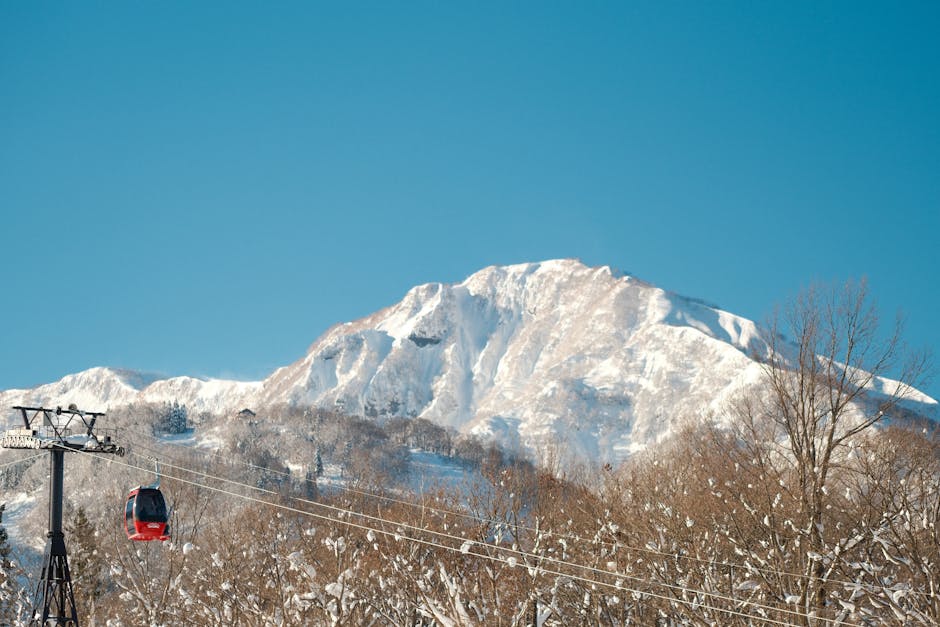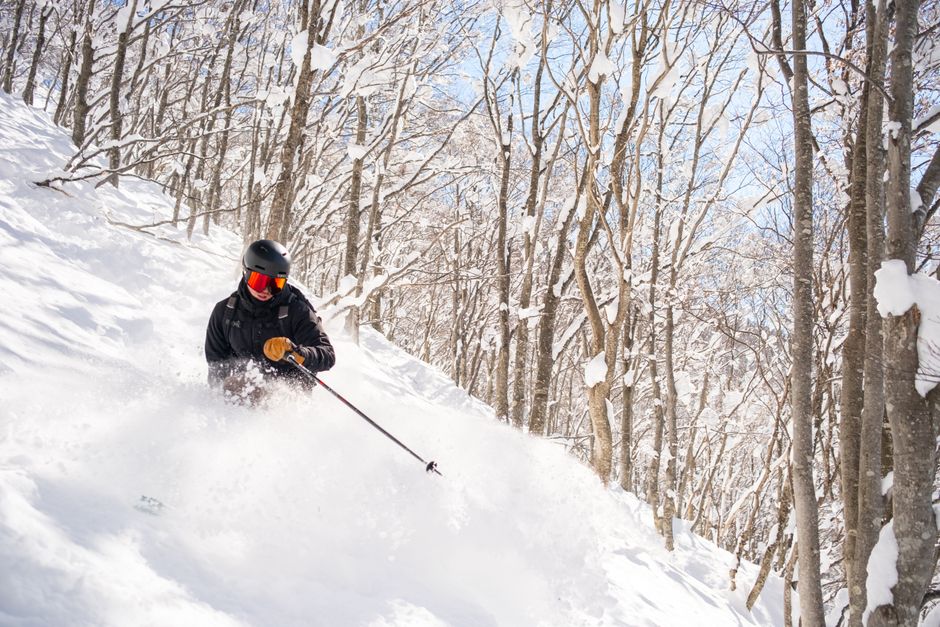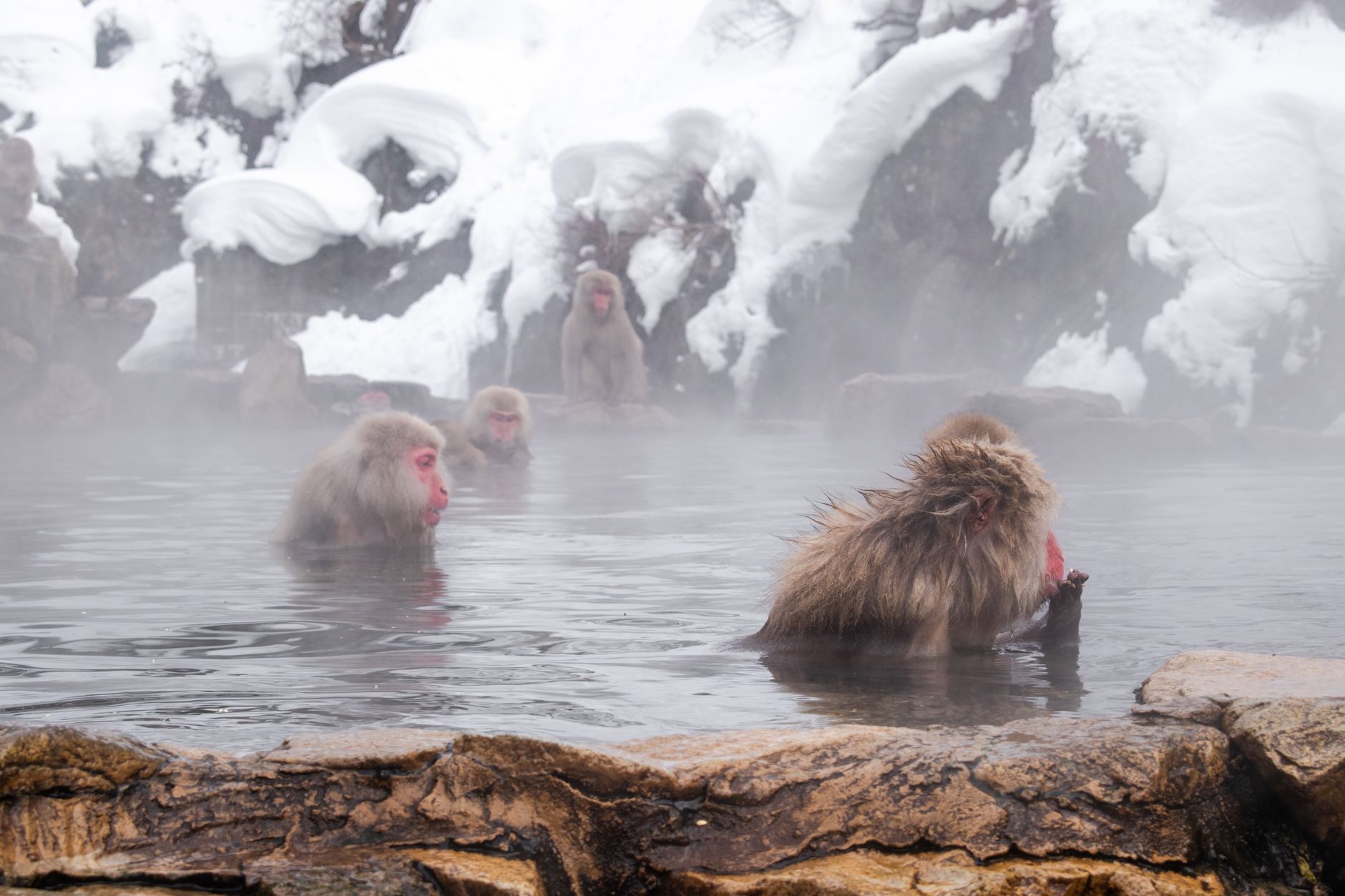
Let me be straight with you. The onsen is half the reason to ski Japan. The powder is the headline act, sure, but sliding into a steaming outdoor bath after eight hours of thigh-deep Hokkaido snow? That's the bit you'll be telling your mates about for years.
The problem is nobody tells you which onsens are actually worth it, or how the whole thing works when you're a nervous first-timer standing in a changing room with no idea what you're doing. This guide fixes that.
Why Onsens and Ski Resorts Are a Perfect Match
Japan's best ski areas sit on or near volcanic terrain. That's the same geology that dumps the cold, dry powder everyone flies from Melbourne to chase. It's also what heats the groundwater and pushes it up through the earth as mineral-rich hot springs.
So you get world-class snow AND a natural recovery tool sitting right next to each other. The lactic acid in your legs doesn't stand a chance. Most serious Japan skiers treat the onsen as part of the daily routine, not a treat. You ski hard, you soak, you eat, you sleep, you do it again. Repeat for seven days. Come home a different person.
The Quick Etiquette Rundown (So You Don't Embarrass Yourself)
Before we get into the best spots, here's what you actually need to know:
- Wash thoroughly at the shower stations before getting in. Every time. No exceptions.
- Tattoos are still banned at most traditional onsen. Some newer or resort-attached facilities are more relaxed, but check first. Covering with a bandage only works for small ones.
- No swimwear in traditional baths. You go in as nature intended.
- Keep your small towel out of the water. Fold it on your head or leave it on the side.
- Don't splash, swim or make a scene. It's not a pool.
- Rotenburo means outdoor bath. Always choose the rotenburo when there is one.
- Men and women are separated in almost all traditional onsen. Mixed bathing (konyoku) exists but is rare near ski resorts.
That's genuinely all you need. After your first visit you'll wonder what you were ever worried about.
Niseko: Spoilt for Choice But Pick Carefully
Niseko has more onsen options than anywhere else in Hokkaido, which is both a blessing and a curse. The tourist infrastructure means some facilities are crowded and a bit soulless.
My pick is Yukichichibu, a small bathhouse in Niseko town proper, about a ten-minute drive from Grand Hirafu. Low-key, local, cheap, and the water is a proper milky sulphur colour that turns your skin to silk. Alternatively, the Niseko Grand Hotel in Annupuri has a solid rotenburo that's less hectic than the Hirafu options.
Avoid the big hotel day-use facilities on weekends during peak season. You'll be sharing the bath with fifty other tourists and it loses the magic fast.
Nozawa Onsen: The Real Deal
Hot take: Nozawa Onsen has the best onsen culture of any ski resort in Japan. Full stop.
The village has 13 free public bathhouses called soto-yu, maintained by the locals and funded by community contributions. You're expected to leave a donation in the box. The most famous is Ogama, a boiling communal pool in the centre of town that also functions as a cooking spring (locals boil eggs and vegetables in it). You don't bathe in Ogama, you just gawk at it.
For bathing, Ooyu is the most popular soto-yu and genuinely hot enough to make you gasp. Matsuba-no-yu is a bit calmer and easier for first-timers. Both are free, both are beautiful, and both are a five-minute walk from the ski lifts.
This is why Nozawa punches so far above its size. The skiing is excellent, the town is charming, and the onsen culture is the most authentic you'll find at any ski resort in Japan.
Zao Onsen: Sulphur and Snow Monsters
Zao Onsen in Yamagata is famous for two things: the juhyo (frozen snow monsters formed when trees ice over in the wind) and the sulphur-heavy onsen water that turns everything it touches yellow, including your towel and your ring if you forget to take it off.
The Zao Onsen Dai-Rotenburo is a large outdoor communal bath that's open to day visitors and is genuinely spectacular in winter. You're sitting in steaming yellow-green water with snow falling on your face. It costs a few hundred yen and is worth ten times that.
The water at Zao is some of the most acidic in Japan, which sounds alarming but is great for your skin. Just don't stay in too long and rinse well afterwards.
Furano and Tomamu: Quieter Options
Furano doesn't have the same onsen town culture as Nozawa or Zao, but the New Furano Prince Hotel has a well-run facility with outdoor baths and decent mountain views. It's a resort hotel setup rather than a traditional experience, but it does the job after a long day on the mountain.
Tomamu (Hoshino Resorts) has the Spa Mizuiki, which is polished and expensive but genuinely impressive. The outdoor baths overlook the forest and they keep the numbers manageable. If you're staying at Tomamu anyway, it's worth it.
Myoko Kogen: Hidden Gem Territory
Myoko has multiple onsen towns clustered around the resort area, including Akakura Onsen and Seki Onsen. Seki Onsen in particular is a tiny, traditional village with a handful of ryokan and a communal bath that feels completely unchanged from fifty years ago. The water is a deep reddish-brown from the iron content.
If you're skiing Myoko and you skip Seki Onsen, you've made a mistake.
My Take as an Aussie Who Skis Japan Every Year
The onsen is not optional. I know some people are self-conscious about it and I get that. But once you've done it once, you're converted. The combination of cold mountain air, hot mineral water, and the complete absence of phones or noise is something you genuinely cannot replicate at home.
My routine: ski until the lifts close, grab a cold Sapporo from the convenience store, walk to the onsen, soak for 20-30 minutes, eat something enormous, sleep for nine hours, repeat. That's the Japan ski trip formula and it works every single time.
If I had to rank the onsen experiences by resort: Nozawa Onsen first, Zao second, Myoko (Seki) third. Niseko is convenient but overhyped on the onsen front. Go to Yukichichibu and skip the hotel baths.
FAQ
Can I visit an onsen if I have tattoos?
Many traditional onsen in Japan still ban tattoos. Some resort-attached facilities and newer operators are more flexible. Always check the rules before paying entry. Some places allow small tattoos if covered with a waterproof bandage, but large or visible tattoos are often a flat no. Nozawa's soto-yu are community baths with their own rules, so it varies.
What should I bring to a public onsen?
A small towel (provided at most ryokan, otherwise buy one cheaply at a convenience store), toiletries if you want them, and your entry fee. That's it. Leave your phone in the locker.
How hot are Japanese onsens?
Typically between 40 and 44 degrees Celsius. Some, like Zao, run hotter. Start with the cooler pools if there are multiple options and work your way up. Getting in slowly helps your body adjust.
Is it weird to go to an onsen alone?
Not at all. Solo onsen visits are completely normal in Japan. You'll often be the only foreign visitor, especially at smaller community baths, but nobody cares. Just follow the etiquette and you're fine.
Can kids use onsens near ski resorts?
Yes, most onsen welcome children. Keep an eye on younger kids around the hot water and make sure they shower properly beforehand. Some facilities have age restrictions for the very hottest pools, but general-use baths are usually fine for kids who can follow basic instructions.