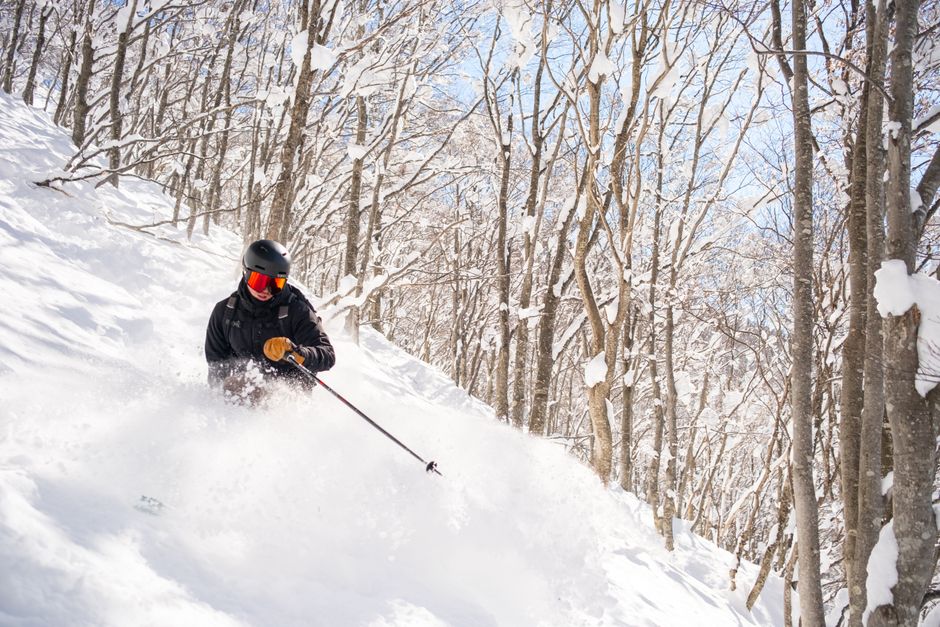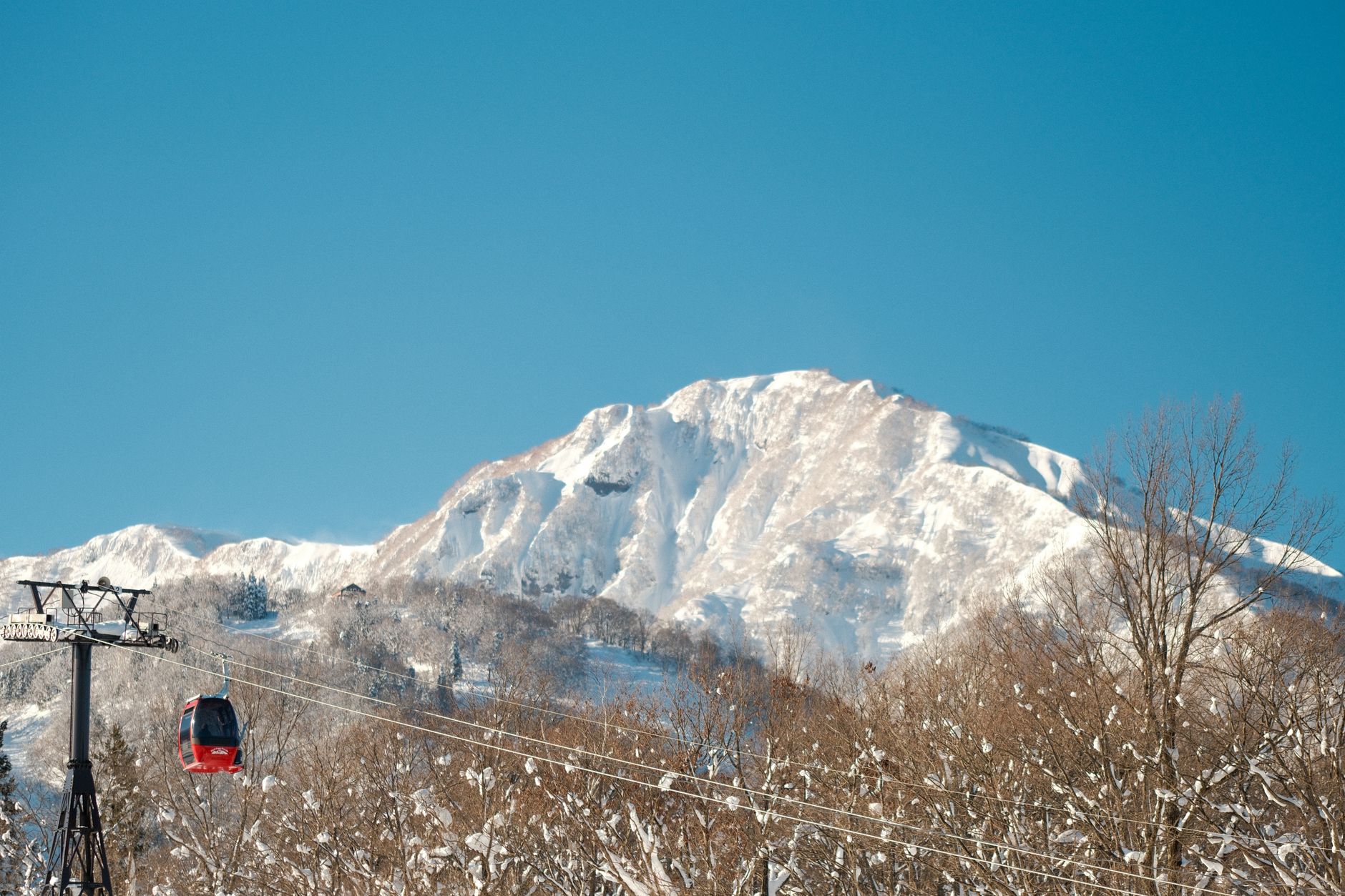
Here's something no one tells you before your first Japan ski trip: the onsen is not optional. It's not a nice-to-have. After eight hours of thigh-burning powder turns, sliding into a steaming outdoor bath with mountains in the background while snow falls on your face is genuinely one of the best feelings on earth. Better than the skiing? No. But bloody close.
This is a guide to the best onsens near Japan's major ski resorts, how to use them properly, and why you should be building your accommodation choice around bath access, not just lift access.
Why Onsen and Skiing Go Together So Well
Japan's ski resorts and its volcanic hot spring network overlap almost perfectly. The same geology that gives Japan its wild, frequent snowfall also pushes geothermal heat up through the ground. Nozawa Onsen has been piping hot water to its public baths for centuries. Zao Onsen in Yamagata sits right on top of a volcanic system. Kusatsu Onsen in Gunma is so acidic the water could strip paint. These aren't tourist gimmicks. They're the real thing.
The combination of hard physical effort and mineral-rich hot water is legitimately therapeutic. Your legs will feel better the next morning. That's not a hot take, that's just chemistry.
The Best Onsen Experiences by Resort Region
Nozawa Onsen (Nagano) is the gold standard. The village has 13 free public bathhouses called soto-yu, all fed by natural springs and maintained by the local community. Ogama, the main bath, sits in the centre of the village and runs so hot it's basically a warning. Most visitors end up at one of the slightly cooler baths like O-yu or Matsuba-yu. You ski right into the village, pull off your boots, and walk to a bath in your ski socks. It doesn't get more Japanese than that.
Hakuba (Nagano) doesn't have the same concentrated onsen village feel, but there are excellent options scattered across the valley. Mimizuku no Yu near Happo-One is a solid local bathhouse. The Hakuba Happo no Yu is bigger, has indoor and outdoor baths, and costs about 800 yen. If you're staying in Hakuba Goryu or Hakuba 47 territory, Mimizuku is your closest option and worth the short walk.
Myoko Kogen (Niigata) is criminally underrated as an onsen destination. Akakura Onsen, one of the ski villages within Myoko, has a proper onsen street with a mix of public baths and ryokan facilities. The water is sodium bicarbonate heavy, which makes your skin feel unreal. After skiing Suginohara's long groomed runs or the trees at Ikenotaira, a soak in Akakura is exactly what you want.
Zao Onsen (Yamagata) is one of those places that earns its reputation. The resort is famous for its juhyo, the snow-covered ice monsters formed on the trees at altitude, and the onsen town at the base is the real deal. The Zao Onsen public bath, Dai-yu, uses milky sulphuric water that turns your silver jewellery black overnight. Wear nothing metal. The smell is strong. The experience is unforgettable.
Niseko (Hokkaido) has a different vibe. The onsens here are more resort-style than traditional village-style, but they're still excellent. Yukoro in Hirafu is a good public option. The Niseko Grand Hotel has a large communal bath. Further afield, Niseko Konbu Onsen is a quieter, more local experience about 20 minutes from the main village and worth the drive if you have transport. Rusutsu Resort also has its own onsen facilities on site.
Furano (Hokkaido) has Furano Onsen right in town, and several hotels with private bath access. It's not as dramatic as Zao but it's clean, warm, and the town itself is charming in a way that Niseko has largely lost to development.
How to Use an Onsen Without Embarrassing Yourself
This stuff matters. Get it wrong and you'll make everyone uncomfortable.
- Shower completely before entering any bath. Every resort has shower stations. Use them.
- No swimwear in traditional onsen. You go in as nature intended.
- Tattoos are a genuine issue. Many public baths still prohibit them. Private ryokan baths are your best option if you have visible ink.
- Tie long hair up so it doesn't touch the water.
- Don't bring your towel into the bath. Leave it on the side or fold it on your head.
- Don't submerge your head.
- Move quietly. This is not a pool party.
The small towel you're given is for modesty while walking around, not for the bath itself. Watch what the locals do and follow their lead. Nobody expects perfection from a foreign visitor, but the basics matter.
Rotenburo: The Outdoor Bath Is the One You Want
Rotenburo means outdoor bath. This is the experience you've seen in photos. Snow falling, steam rising, mountains in the background, hot water up to your shoulders. If your accommodation has a rotenburo, use it. Get up early and go before breakfast. The morning session, especially after a fresh snowfall overnight, is genuinely one of the best moments you can have in Japan.
Most ryokans have rotenburo. Some have gender-separated outdoor baths that rotate times so everyone gets access. Book a ryokan with confirmed outdoor bath access, not just onsen access. Indoor-only is fine, but outdoor is the one.
My Take as an Aussie Who Skis Japan Every Year
I've had good ski days and average ski days in Japan. The onsen has never been average. Even after a flat light day on the mountain where you couldn't read the terrain and skied cautiously the whole time, sliding into a 42-degree outdoor bath in the dark with a Sapporo Classic in hand makes everything right. Nozawa Onsen is my benchmark. Every other resort gets compared to how Nozawa handles the post-ski ritual. Most don't match it. But Zao comes close, and Myoko is quietly excellent. If you're choosing between two resorts and one has a proper onsen village attached, pick that one. Every time.
Frequently Asked Questions
Do I need to book onsen access separately from my accommodation?
Not usually. Most ryokans and many hotels include onsen access in the room rate. Public bathhouses like those in Nozawa charge a small fee, usually 200 to 500 yen, paid at the door. Some resorts have day-use onsen facilities you can use without staying there.
What if I have tattoos?
Many traditional public onsens in Japan still prohibit tattoos. Your best options are private baths (kashikiri onsen) which you book exclusively for your group, or ryokans that have adopted more flexible policies. It's worth calling ahead or checking reviews from tattooed travellers specifically.
Is the water actually different at different onsens?
Yes, significantly. Sulphuric baths like Zao smell strongly and are highly acidic. Sodium bicarbonate baths like Myoko leave your skin soft. Iron-rich baths run orange. Each type has different reported benefits. The mineral content varies by location based on the geology underneath.
Can kids use onsens?
Generally yes, with supervision. Mixed-gender family baths (kazoku-buro) are available at many ryokans and are perfect for families with young kids. Standard communal baths are separated by gender, which makes them tricky for parents with small children of the opposite gender.
What's the best time of day to use a rotenburo?
Early morning, before breakfast, after a fresh overnight snowfall. That's the answer. Second best is late evening after dinner when the day crowds have cleared. Avoid the post-ski rush between 4pm and 6pm if you want a quieter experience.