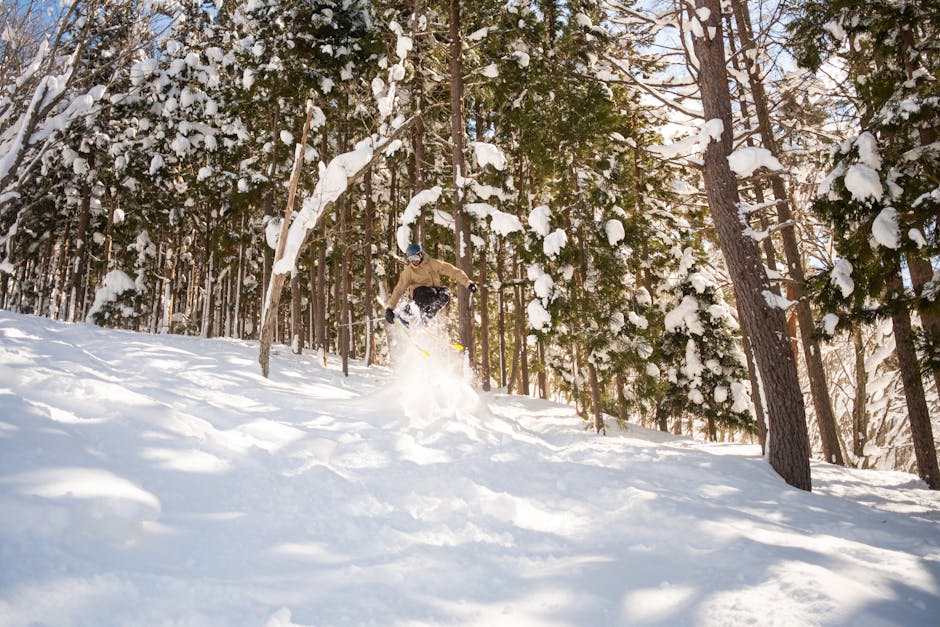
Most people fly into Sapporo, spend a week at Niseko, and fly home thinking they've done Hokkaido. They haven't. Not even close.
Hokkaido is massive. It has more skiable terrain, more powder variety, and more hidden character than any single resort can show you. The good news is that with a hire car, two weeks, and a rough plan, you can hit five very different resorts without doubling back once. This is that plan.
Why a Road Trip Beats Flying Between Resorts
Driving Hokkaido in winter sounds scarier than it is. The roads are well-maintained, studded snow tyres come standard on every hire car, and once you get your eye in for the conditions it's genuinely enjoyable. The scenery between resorts is ridiculous. Think frozen lakes, birch forests caked in snow, and small towns where the ramen shop has been run by the same family since 1978.
It also gives you flexibility. Powder alarm goes off at 3am? You can be first in the lift queue. Snow goes flat? Drive somewhere else. A rental car in Hokkaido during ski season costs roughly 7,000 to 12,000 yen a day depending on the size. Split between two or three people, it's cheaper than bullet trains and shuttle buses.
The Route at a Glance
| Stop | Resort | Nights | Why You're Here |
|---|---|---|---|
| 1 | Sapporo (Teine) | 2 | Land, shake off jet lag, ski something easy |
| 2 | Kiroro | 3 | Consistent snow, quiet, tree skiing |
| 3 | Niseko United | 4 | The benchmark. You have to do it once. |
| 4 | Rusutsu | 2 | Uncrowded groomers, family-friendly, brilliant tree runs |
| 5 | Furano | 3 | Real Japanese ski town, the best grooming in Hokkaido |
Stop 1: Sapporo and Teine (2 Nights)
You've just landed at New Chitose after 10 hours in a tin can from Melbourne. Don't drive straight to Niseko. You'll be wrecked and you'll waste good snow days.
Stay in Sapporo instead. Eat ramen at Ramen Yokocho in Susukino. Have a Sapporo beer in an actual Sapporo bar. Sleep in a real bed.
On day two, drive 30 minutes to Teine. It's a proper resort with two zones (Highland and Olympia), decent vertical, and almost zero foreign tourists. It hosted the 1972 Winter Olympics and it still skis brilliantly. The Highland zone has some genuinely steep terrain that'll wake you up nicely. It's not a world-class destination, but as a jet-lag shakeout day it is absolutely perfect.
Stop 2: Kiroro (3 Nights)
Kiroro is the underrated weapon of Hokkaido. It sits between Sapporo and Niseko, catches incredible snow from the Japan Sea, and has almost no lift queues even on busy weekends. The tree skiing off the back of the Asari Course is some of the best you'll find anywhere in Japan without a guide.
Stay at the Kiroro Snow World hotel or one of the pension-style places in the village. The onsen at the resort hotel is excellent. Three nights here gives you two full ski days plus a buffer if the powder really turns on.
Hot take: Kiroro gets better snow than Niseko more often than people admit. It just doesn't have the Instagram following.
Stop 3: Niseko United (4 Nights)
Yes, it's crowded. Yes, it's expensive. Yes, the lift queues at Hirafu on a powder day are genuinely painful. Go anyway.
Niseko United (Grand Hirafu, Hanazono, Niseko Village, Annupuri) is the benchmark for a reason. The mountain is brilliant, the snowpack is extraordinary, and the international food and nightlife scene is unlike anything else in Japan. You need to experience it at least once to understand what everyone is talking about.
Four nights is enough to ski all four interconnected zones, find a few favourite runs, and have one proper powder morning. Stay in Hirafu village for convenience. Eat at Niseko Pizza at least once. Ski Hanazono on a weekday morning when the Hirafu crowds are still sleeping.
The Gate 3 backcountry access point off the top of Hirafu is worth knowing about, but please go with a guide the first time. The terrain beyond the gates is serious and it changes daily.
Stop 4: Rusutsu (2 Nights)
Drive 30 minutes south from Niseko and you're in a completely different world. Rusutsu is a big resort, three mountains worth of terrain, and it almost always has fewer people than its quality deserves. The tree skiing between East and West Mountain is exceptional. The grooming is immaculate.
Two nights here works perfectly as a mid-trip reset. The Rusutsu Resort Hotel is a bit of a labyrinthine theme-park complex (it has an indoor amusement park, which is very Japanese and very strange), but the ski access is unbeatable and the onsen is good.
If you have kids or are travelling with mixed-ability skiers, Rusutsu might actually be your favourite stop on the whole trip.
Stop 5: Furano (3 Nights)
The drive from Rusutsu to Furano takes about two and a half hours through the centre of Hokkaido. It is one of the most beautiful drives you'll do in your life. Do it in daylight.
Furano is a proper Japanese ski town. Not a resort village built for tourists. A real agricultural town that happens to have an excellent ski mountain attached to it. The grooming on the main Furano Zone runs is the best in Hokkaido. The Kitanomine Zone has steeper terrain and better tree skiing. The town has a night market, a brilliant curry shop called Furano Curry Honpo, and an onsen at the New Furano Prince Hotel that you can use as a day visitor.
Three nights here gives you two ski days and a rest day. Use the rest day to drive out to Biei and see the frozen patchwork fields. It's worth it.
My Take as an Aussie Who Skis Japan Every Year
I've done Hokkaido both ways. The one-resort week and the road trip. The road trip wins every time.
The variety is the thing. Each resort has a completely different personality. Kiroro is quiet and serious about snow. Niseko is loud and brilliant and a bit mad. Rusutsu is calm and spacious. Furano feels like the real Japan. You can't get that range by staying in one place.
The driving is genuinely fine as long as you respect the conditions, slow down on corners, and don't try to do more than two and a half hours in one go. Keep a bag of snacks in the car. The konbini culture in Hokkaido is exceptional (7-Eleven onigiri in a snowstorm is one of life's great pleasures), but sometimes you're between towns.
Book your accommodation early. Especially Niseko in January and February. Everything else is a bit more flexible.
Frequently Asked Questions
Do I need an international driving permit to hire a car in Hokkaido?
Yes, if your licence isn't in Japanese you'll need an International Driving Permit (IDP) issued in your home country before you leave. Get it from the NRMA, RAA, RACQ or your state equivalent. It takes about 10 minutes and costs around $30. Don't forget it.
What's the best time of year to do this road trip?
Late January to mid-February is the sweet spot. The snowpack is deep, temperatures are cold enough to keep the snow light, and the days are getting slightly longer. Early February is probably the single best week in an average year.
Can I do this trip without a car?
You can do a version of it using the JR Hokkaido network plus shuttle buses, but you lose a lot of flexibility and the travel times between resorts blow out significantly. The car is worth it. Just get comfortable with snow driving before you tackle anything ambitious.
Which resort should I skip if I only have 10 days instead of 14?
Drop the Sapporo/Teine stop and fly straight to Kiroro. It adds a bit of drive stress on day one but it's manageable if you land in the morning. Alternatively, cut Rusutsu to one night instead of two.
Is Furano worth the drive from Niseko?
Absolutely yes. It's the most underrated ski town in Hokkaido and most Niseko regulars never bother making the trip. That's their loss. The mountain is excellent, the town is genuine, and the crowds are a fraction of what you deal with in Hirafu. Go.