Right, it's Wednesday the 20th of May and not a single lift is spinning anywhere in Japan. That's not a disaster, that's just the calendar. The snow is gone, the groomers are parked, and the resort crews are already planning next season. So let's do a proper regional lap and talk about what actually matters right now: what's worth watching before you book your flights for 2026-27.
Hokkaido: The Powder Capital Does Its Summer Thing
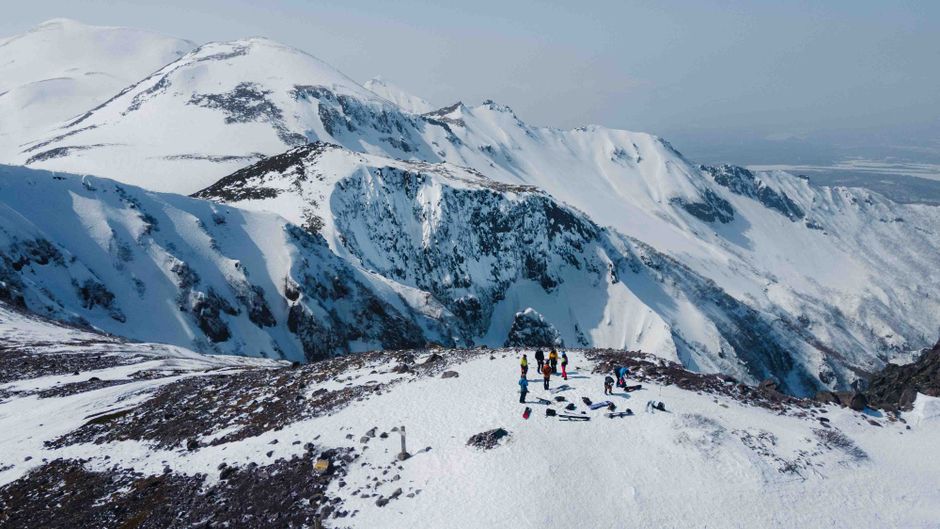
Niseko United went dark weeks ago. Rusutsu, Kiroro, Furano, Tomamu - all closed. Even Asahidake, which usually hangs on the longest thanks to its volcanic warmth and elevation, has called it.
The interesting one to watch is Iwanai Resort. They've been quietly building out their infrastructure and if the rumours around expanded cat-ski terrain hold up, it could be a genuine alternative to Shimamaki for deep-snow hunting next season.
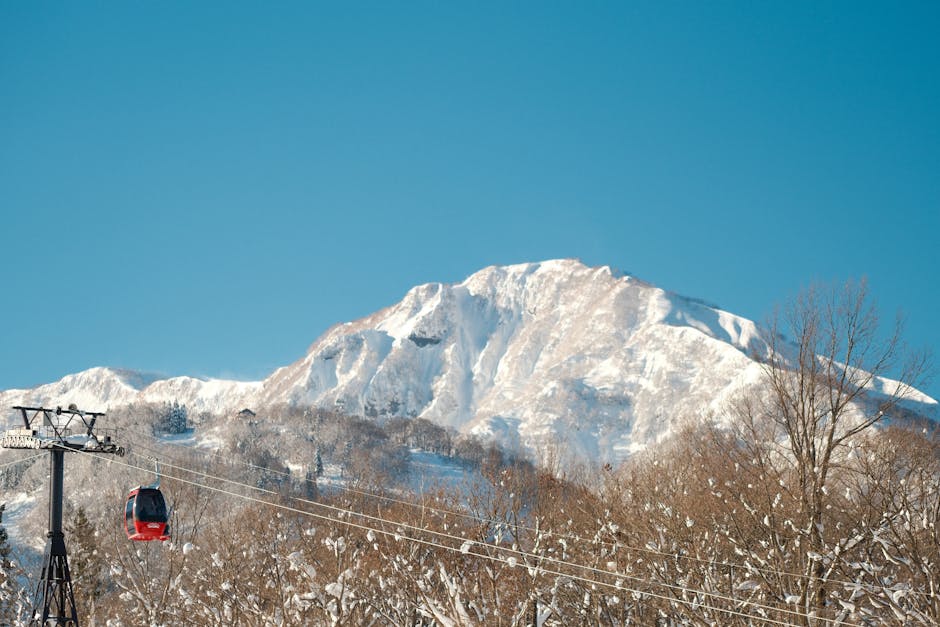
Niseko's accommodation prices keep climbing. If you're planning a Hirafu trip for January or February 2027, book now. Seriously. The good places in walking distance of the Gondola are already filling. Grand Hirafu's upper mountain was sitting around 180-200cm base when it closed in early April, which was a decent finish to what was a patchy mid-season.
One thing worth knowing: visitor numbers to Japan dipped 5.5% in April according to the Japan Times. Whether that trend continues into winter is anyone's guess, but fewer tourists in Niseko wouldn't be the worst outcome for lift queues.
Tohoku: Zao and Hakkoda Deserve More of Your Attention
Zao Onsen in Yamagata is done for the season. The juhyo (snow monsters) are long melted. But Zao is criminally underrated by Aussies who just beeline for Hokkaido. The ropeway up to Jizo Ridge, the onsen town at the base, the tree runs off the back - it's a proper destination and the prices are a fraction of Niseko.
Hakkoda is another one. No resort infrastructure to speak of, just a gondola and a whole lot of backcountry. If you're a competent off-piste skier and you haven't done Hakkoda, put it on the list for next season.
The government's current bear habitat surveys across Niigata and Tohoku are worth a mention. Not because bears are going to ruin your ski trip, but because some of the more remote touring zones in this region do have activity. Worth being aware of if you're planning spring backcountry for 2027.
Nagano: Hakuba is Already in Off-Season Mode
Hakuba Valley's last resort standing was Happo-One, which wrapped up in early May. Cortina - the tree skiing haven - closed back in late March when the snow thinned out. Goryu and Hakuba 47 were gone by mid-April.
The big news out of Hakuba for next season is the ongoing work on the Hakuba Valley interconnect. Progress has been slow but any improvement to resort-to-resort access would be a genuine game changer. Right now you're still bussing between most of the resorts, which is fine but not ideal.
Nozawa Onsen closed in late April as usual. If you haven't done Nozawa, it's my pick for best overall Japan ski experience - the village is the real deal, the Nagasaka run is a ripper long cruise, and the outdoor onsens are free. Shiga Kogen is massive and worth a dedicated trip if you want variety across 21 linked resorts.
For passes, keep an eye on the Hakuba Value Pass and whether Cortina joins any multi-resort deal. Cortina has historically been a bit of a lone wolf on pricing.
Niigata: Kagura Was the Last One Standing
Kagura and Mitsumata are the heroes of late season in Niigata. They regularly push into May thanks to the snowpack on the upper mountain, and this year was no different. But even Kagura has shut the gates now.
Naeba, Gala Yuzawa, Ishiuchi Maruyama - all closed. Gala is worth a mention for Aussies doing a Tokyo add-on trip because the Shinkansen literally stops at the base. It's not a powder destination, it's a convenience destination. Know the difference and you'll enjoy it.
Lotte Arai Resort continues to position itself as a luxury alternative in the Myoko area. It's genuinely good - the snowfall in Myoko Kogen is some of the best in Honshu - but the price point is steep. Worth it for a splurge night or two if you're basing yourself in Akakura Onsen.
Central Honshu: Solid Value, Underrated Snow
Dynaland and Takasu Snow Park in Gifu are both closed. These resorts don't get the international love they deserve. The snowfall in this part of Japan can be absolutely massive - Gifu sits in a sweet spot for moisture off the Sea of Japan - and the crowds are nothing like Hakuba or Niseko.
Ski Jam Katsuyama in Fukui is another one worth a look for next season if you want to combine skiing with exploring a less-touristy part of Japan. The resort is bigger than it looks on paper and the night skiing is solid.
Kanto: Convenient but It's Not Japow
Resorts like Tambara, Kawaba, and Kusatsu Onsen in Gunma serve the Tokyo day-tripper market. They're closed now and that's fine. Kusatsu Onsen is worth doing once for the onsen town alone - the Yubatake hot spring in the centre of town is one of the most surreal things you'll see in Japan. The skiing is secondary.
Western Honshu and Shikoku: Closed, As Expected
Daisen in Tottori is done. Biwako Valley in Shiga is done. These are worth knowing about if you're travelling through western Japan and want to tack on a ski day, but they're not destinations you'd fly to Japan specifically for.
Bottom Line for Right Now
It's off-season. The move right now is to lock in accommodation for January and February 2027 before prices go up further, sort your JR Pass if you're doing a multi-region trip, and decide which region actually suits your skiing style. Hokkaido for powder. Nagano for variety and village vibes. Niigata for convenience from Tokyo. Tohoku for the road less travelled.
She'll be back before you know it.